US food industry raises concerns over the safety of hemp in pet nutrition
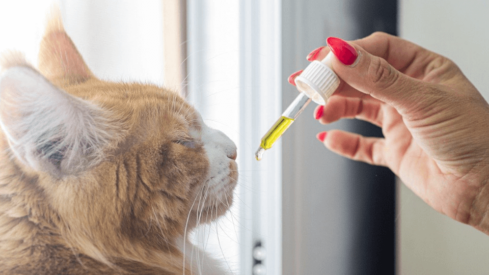
A joint letter signed by 17 organizations, including the Association of American Feed Control Official (AAFCO) and the Pet Food Institute (PFI), calls for more scientific research on the topic.
The document has been forwarded to agricultural leaders and state policymakers seeking their support to ensure the safety of hemp as an animal-feed ingredient.
“We understand the importance of supporting the hemp industry, and yet we also believe it is simply too soon to know whether hemp is safe for farm and ranch animals, as well as for our pets,” it reads.
The signatories call for more research “to ensure the safety and well-being of the public, our animals and our agricultural industry.”
A spokesperson of the Pet Food Institute told GlobalPETS that they believe that “robust safety” into possible novel pet food ingredients will help to ensure a better understanding of any potential impacts on pet health and nutrition.
“This can also help support a regulatory environment that is predictable for pet food manufacturers so they will not depend upon a patchwork ingredient approval system that varies state-by-state within the US,” it said.
The organization supports a marketplace that allows for consumer choice regarding pet food options, but recognizes that ingredient safety and a predictable regulatory environment “are paramount.”
No hemp or hemp derivative ingredients have been validated in the US through the established animal-feed ingredient-approved pathways.
But industry insiders warned that lawmakers are being lobbied to consider legislation allowing the use of hemp (THC, CBD, and other cannabinoids) into the meat, milk, and eggs of food-producing animals before the completion of critical safety scientific research and review by the US Food and Drug Administration (FDA).
“We are concerned that state leaders and the general public may not be fully aware that any new ingredient intended for animal feed must go through a scientific and legal review process to ensure safety and utility,” warns the letter.
Share this story: