Alternative therapies move into the mainstream
Alternative therapies move into the mainstream

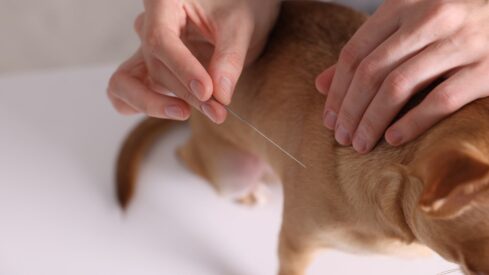
Holistic treatments such as acupuncture, hydrotherapy and laser therapy are redefining how veterinary care is delivered.

Many pet health insurance policies now cover not only standard treatments but also less conventional therapies. This means openings for pet healthcare professionals and forward-thinking vet practices who are willing to expand into more complementary medicine for their patients.

Market momentum

Trends across the globe show that people increasingly seek holistic care as part of their healthcare treatment. In Germany, for example, over 50% of the population regularly use complementary medicine. In Canada this is 40% and in Japan 22.5%.

Part of the reason for the rise in demand can be attributed to internet access and social media, which allows practitioners to reach larger audiences and treat patients through telehealth technologies. Millennials and Gen X, who represent a large demographic of pet parents in many countries, often look to social media for advice and solutions for everyday problems – for their pets too.

Treating the whole being

Holistic healthcare is also known as complementary medicine or integrative therapy. These terms stand for treatment of the whole being, factoring in all influences on health – including physical and mental wellbeing plus diet – instead of solely focusing on symptoms. Treatments may include acupuncture, laser therapy and hydrotherapy, and chiropractic care. Integrative veterinary care uses the same kinds of therapies.

Pet insurance catches up

With increased demand for complementary medicine, several major pet insurance providers now offer policies that include alternative therapies. This removes the primary financial barrier that previously limited market growth, creating significant opportunities for veterinary practices to offer integrative services.

The most commonly covered treatments for pets include acupuncture, chiropractic care, hydrotherapy, massage and physiotherapy. But the range of alternative therapies covered by insurance continues to expand and evolve with the increased demand for holistic care among pet parents.

While many pet insurance companies in different countries cover alternative care, coverage varies among the providers. MetLife Pet’s standard policy and optional Preventive Care plan, for example, includes a range of holistic treatments, provided they are prescribed by a veterinarian.

In the US, Healthy Paws Pet Insurance offers some of the most inclusive coverage for complementary treatments, including herbal therapy, massage and hydrotherapy, as part of its standard coverage to treat a new injury or illness. Embrace Pet Insurance also includes complementary treatment coverage at no additional cost for all of its plan offerings.

New revenue streams for vets

The increased pet insurance coverage for complementary medicine presents a business opportunity for veterinarians.

Dr. Kendra Pope, a veterinary oncologist at Prism Integrative Veterinary Health in New Jersey, offers a number of services to pet owners and veterinarians seeking holistic care. In addition to in-person visits, this includes veterinary consultations for clients located further away from the clinic.

“Veterinary practices can benefit tremendously from adding integrative care,” says Dr. Pope. “We have seen a large number of our patients extend their lives or have an overall better quality of life with our treatments.” She has also created two educational online courses, for pet parents and for vets.

Professional and owner education

One course on offer covers a holistic approach to cancer prevention for pet parents, explaining how cancer forms and how to develop a plan to include optimal diet, supplements and other holistic tools.

The second is the Integrative Veterinary Cancer Care Practitioner (IVCCP) certification and Inner Circle Mastermind for veterinarians. This teaches practitioners how to implement more holistic approaches to cancer treatment, including acupuncture, food therapy, herbal medicine and IV nutrient therapy.

The clinic also educates individuals through blog posts and podcasts, and offers a vet-to-vet consultation service where out-of-town practitioners can consult with Prism veterinarians to inquire about different treatments or supplements.

“This has been a huge help, because we’re able to help clients all over the country – even some who live outside the country,” Dr. Pope explains. “Doing this also helps other vets gain knowledge about what we do here.”

Greater acceptance

Shelley Doxey MRCVS is a veterinary surgeon who practices holistic veterinary care in the UK. Over the 20 years that she has been working as a vet, she’s noticed an increased demand for integrative veterinary care. Her hope is to decrease the need for conventional medications in the long term.

“I think general awareness of what options are available has increased, but also acceptance of the potential benefits from the wider veterinary industry is increasing,” she says.

“Acupuncture and laser therapies are the most popular therapies that I offer.” Doxey credits more research into laser and acupuncture therapies for increased awareness among pet owners, particularly in relation to musculoskeletal diseases.

Attitudes to acupuncture

A survey conducted among 104 veterinarians in Europe in 2024 by the Department of Veterinary Medicine at the UK’s University of Cambridge investigated the use of, and attitudes towards, veterinary acupuncture – the first study to provide a comprehensive overview of current practices in the region.

The participants answered 22 questions covering different aspects of the therapy: approaches, techniques, indications, treatment protocols and perceptions on efficacy and safety.

The main findings were that acupuncture is used primarily as a complementary therapy to treat chronic pain in small pets – mostly in dogs and cats – and that patient-specific approaches and manual acupuncture are preferred over standardized protocols and other acupuncture techniques.

The proportion of participants using acupuncture for treating gastrointestinal, respiratory and allergic conditions is higher among veterinarians practicing traditional Chinese medicine (TCM) than in those using the Western approach. TCM is the most practiced acupuncture approach (37%), followed by Western acupuncture (31%) and integrative acupuncture, a combination of both (30%).

Bespoke treatment plans

Doxey warns of the time investment involved in adding integrative therapies to conventional veterinary care.

“Integrative consultations, and the work involved in creating a bespoke treatment plan for each patient, along with the amount of contact we have with clients, takes up a lot more time than conventional work,” she says, adding that pricing this type of customized work adequately to make a profit can be a challenge.

The holistic veterinary market presents compelling opportunities for practice differentiation and revenue growth. Success requires strategic implementation, substantial investment in education and an understanding of regional market trends. Early adopters that position themselves advantageously have the potential to reap the rewards.

2/2
Free articles
read this month

Register and read all articles, for free