Industry insights
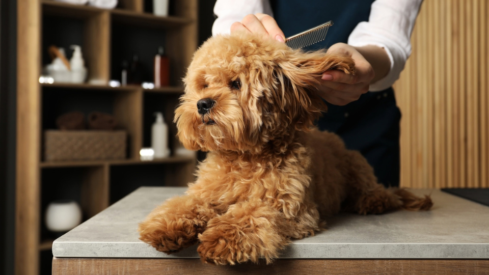
$43B: Global pet grooming market to more than double by 2035
Global grooming revenues are expected to rise by more than 9% annually, while rising labor, operating and compliance costs challenge businesses.

Pet brands update identities and formulas to target nutrition-conscious owners
Manufacturers and retailers are also updating their names, logos and packaging designs as the market becomes more crowded.
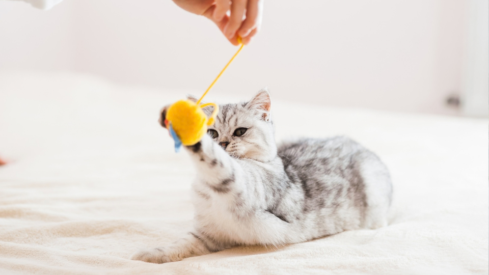
Pet sitting businesses report revenue growth in North America
Average revenue reached an all-time high last year in both the US and Canada, according to Pet Sitters International (PSI).
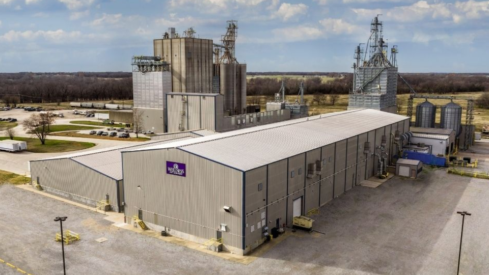
Interview: United Petfood maps out next phase of growth in North America
The private label player is adding dry food capacity in the region while shifting European investments toward wet food, treats and localized production.

From Hollywood to Formula 1, pet brands court new audiences
Fancy Feast, Jinx, Canidae, The Farmer’s Dog, Feline Frenzy and VETRESKA are partnering with public figures to expand their reach, engage new audiences and support commercial growth.
Inflation snapshot: Pet prices fluctuate as markets face higher interest rates
Pet prices moved in different directions across Europe, the US, Brazil and India in August as central banks adjusted monetary policy.
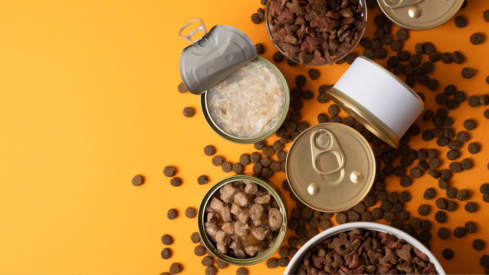
Pet industry pulse (II): Manufacturers deliver growth despite uneven market conditions
Six of seven companies analyzed by GlobalPETS increased sales in Q2 2026, with a favorable price-volume mix and channel expansion offsetting market and cost pressures.

Pet industry pulse (I): Retailers post growth as expansion and loyalty drive sales
Store expansion, acquisitions and incentives supported faster growth, while loyalty and recurring revenue drove more modest gains.

General Mills: Cat food continues to lead pet portfolio growth
Strong category performance offsets weaker dog food sales and modest treats growth. GlobalPETS has the details.

Pet companies report higher SG&A expenses as logistics and expansion costs increase
An analysis by GlobalPETS shows that retailers and manufacturers are allocating a larger portion of revenue to cover business operations.