Bring on the bugs: the case for insect protein
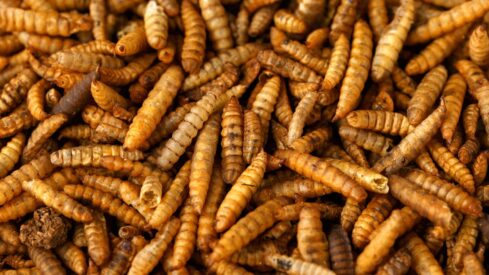
Functional efficacy, clearly defined safety lines and rising consumer acceptance place insect-based pet food at the front of the alternative protein pack.
Pet owners across Europe are increasingly asking for ‘bug diets’, as pet nutrition incorporating insects moves from novelty to mainstream. With high protein digestibility, gut health benefits and sustainability credentials, such products have the potential for massive growth in the pet food sector over the next few years.
The rise of insect protein
Since the late 1980s, poultry meal has been a staple animal protein in commercial pet food. The 2010s saw a sharp rise in plant concentrates such as pea and potato protein, driven by the grain-free and hypoallergenic boom. Pet nutrition is now heading for its next protein shift.
More than muscle fuel
Recent work confirms that including black soldier fly (BSF, Hermetia illucens) or yellow mealworm (Tenebrio molitor) in pet diets can deliver roughly 90% apparent protein digestibility.
This is on par with premium poultry sources, according to research in adult dogs undertaken by researchers at the Institute of Animal Nutrition at the University of Berlin, published in Animal Feed Science and Technology in 2020. It is also similar to precision-fed models, as shown by research published in 2025 in the Journal of Animal Science by researchers from the University of Illinois.
BSF oil contains about 60% medium-chain lauric acid. In vitro work at City University of Hong Kong, published in 2024 in Animal Production Science, showed that a 1% inclusion of oil extracted from bread-waste-reared larvae suppressed E. coli growth almost 10-fold. BSF oil also delivers roughly the same lauric acid punch as coconut oil, but without competing with human food supply.
Gut health benefits
When chitin (the natural fiber that makes up an insect’s shell) is partly converted into chitosan, it becomes a soluble prebiotic. A study from a team at the China Agricultural University, published in Metabolites in 2023, reported that including just 0.2% chitosan in cat food boosted the production of beneficial gut acids (butyrate) and helped tighten the gut lining.
Early clinical evidence, published in Veterinary Sciences in 2025 by researchers from Chiang Mai University, Thailand, also points to lower allergy risk. In a 4-week pilot study, 8 dogs with known adverse food reactions improved after their diets were switched from conventional meat to BSF protein.
Taken together, insects qualify as functional feed ingredients, a selling point that resonates with premium pet owners who want benefits they can see in their animals’ coat, stool and skin.
Drawing the safety lines
Novel inputs bring novel risks. The industry has moved fast to set guardrails that go beyond the 2024 IPIFF Guide on Good Hygiene Practices. There are 3 limits that dominate current research and Hazard Analysis and Critical Control Points (HACCP) audits:
Chitin load
When total chitin in the diet approaches 3% of dry matter (35-40% full-fat BSF meal), stools become noticeably softer and higher in moisture. Most manufacturers therefore cap BSF inclusion at 20% or use partially defatted meal.
Heavy metals
Cadmium tops the watchlist because larval uptake depends on the rearing substrate. A controlled study published in the mega-journal PLOS One in 2016 by researchers at Wageningen University in the Netherlands reported that larvae raised on low-cadmium fruit- and vegetable-based substrates accumulated markedly less cadmium than those raised on cereal byproducts. A European Food Safety Authority (EFSA) risk profile confirms that commercial BSF meals stay safely below the EU feed limit.
Thermal pasteurization
EFSA indicates that a brief heat step (around 90°C for a few minutes) is enough to bring bacterial counts below detection without harming protein quality. These limits reassure formulators that insect meal is as safe as established animal byproducts. But safety alone won’t sway owners – they need to see a clear benefit.
Carbon considerations
Insects share the ‘future protein’ podium with mycoprotein, microalgae and cultivated meat. The carbon story, however, depends on where you draw the boundaries.
Using the same cradle to factory gate life-cycle assessment (LCA) method and an average EU electricity mix, a research team from the German Institute of Food Technologies published a study in the Journal of Cleaner Production in 2016 in which they calculated a BSF meal at around 6 kg CO₂ eq per kilogram of protein. This is roughly on par with an efficient European broiler chicken, at 6-8 kg.
When the LCA credits insects for recycling food waste or assumes renewable electricity, the BSF footprint falls to 2-4 kg, clearly beating poultry. Under those favorable assumptions, wind-powered mycoprotein still leads at around 3 kg and microalgae stay around 5 kg, while pilot scale cultivated chicken (small pre-commercial batches of lab-grown meat) remains over 25 kg.
Cleared for take-off
Costs follow a similar pattern: BSF protein already sells for about €4 ($4.72) per kilogram at 10,000 tonne output, while cultivated meat still comes in at roughly €20 ($23.59) per kilogram.
Regulation tilts the field further. EU law already permits both BSF and mealworm meals in dog and cat food, while in the US only BSF meal and oil have an official Association of American Feed Control Officials (AAFCO) definition; mealworm dossiers are still under review.
Mycoprotein is likewise working through pet food petitions, and cultivated meat is approved for human use in just a few countries, and only in the UK so far commercially for pets. For now, insects (especially BSF) remain the only animal origin alternative that combines scale with broad regulatory clearance.
Price parity with poultry meal is the last milestone – and the learning curves suggest we could cross it well before 2030. The bug era, it seems, is no longer crawling; it is ready to fly.
Share this story:
One click prioritizes GlobalPETS in your search results and AI answers.