How safe are pet food additives?
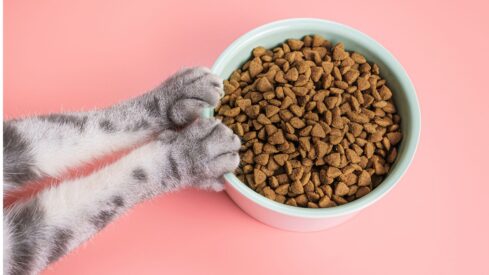
Despite growing consumer concern, current evidence does not support claims that approved synthetic additives pose significant health risks to cats and dogs.
A systematic review published in the journal Animals in 2025 evaluated over 120 studies on additives, preservatives and ingredient quality in pet food. It found that adverse effects associated with approved additives are rare and statistically insignificant. However, growing pressure from consumers urges the need for robust communication.
Consumer preferences
Feed additives are defi ned by the Association of American Feed Control Offi cials (AAFCO) as ingredients used for technological, nutritional or functional purposes, used in microquantities and subject to safety evaluation.
According to the International Food Information Council (IFIC), 62% of consumers reported that ingredients have at least a moderate influence on their purchasing decisions, and 58% of consumers agreed that they avoid products with “chemical sounding” ingredients.
Synthetic antioxidants as preservatives
Lipid oxidation is one of the main causes of decreased nutritional quality, especially in diets with higher lipid content. It compromises palatability, reduces nutritional value and generates potentially harmful secondary oxidation products. The main antioxidants used as preservatives include butylated hydroxyanisole (BHA) and butylated hydroxytoluene (BHT), which possess a high level of eff ectiveness at concentrations below 200ppm.
Another important characteristic of these synthetic antioxidants is the high thermal stability, essential for processes such as extrusion and maintaining a technological advantage compared to natural alternatives for products with a longer shelf life.
Foods with a high percentage of moisture have an increased risk of fungal growth and mycotoxin production, representing a high sanitary risk. Effective antimicrobial preservatives are essential to complement antioxidant strategies.
BHA: safety and regulatory assessment
In a scientific opinion piece published by the European Food Safety Authority (EFSA) in 2021, the safety of BHA was evaluated. In cats, it was included in the diet at levels up to 750mg/kg of food, five times higher than the concentration indicated by the 2018 EFSA Panel on Additives and Products or Substances Used in Animal Feed (FEEDAP).
No adverse effects were observed in hematological, serum biochemical and fecal quality analyses, demonstrating a robust margin of safety.
BHT: properties and toxicological profile
BHT is authorized for use as an antioxidant up to a maximum level of 400mg/kg of feed, in accordance with Regulation (EC) No 1333/2008.
From a toxicological point of view, BHT exhibits low acute toxicity, with oral LD₅₀ values ranging from 940 to 2,100mg of BHT/kg of body weight in cats, well above typical dietary exposure levels. This data supports the authorization as a safe and effective antioxidant within regulatory guidelines.
Sorbic acid and potassium sorbate
Sorbic acid and its salt, potassium sorbate, are antimicrobial preservatives that inhibit the growth of filamentous fungi and yeasts.
The 2012 FEEDAP Panel concluded that potassium sorbate is safe for dogs and cats when used at maximum levels of up to 5,000mg/kg in semi-moist complete foods. The 2014 EFSA proposes a maximum content of 2,500mg/kg of sorbic acid and 3,400mg/kg of potassium sorbate in complete foods for all animal species.
Natural antioxidants and preservatives
Tocopherols
Tocopherols (vitamin E) are widely used as natural antioxidants, generally in concentrations between 50 and 300ppm.
Natural tocopherol-rich extracts consist of a mixture of active substances, predominantly alpha-tocopherol, obtained from multiple extraction and retinization steps of vegetable oils. Although they have proven antioxidant activity, comparative studies consistently demonstrate lower long-term efficacy in lipid protection compared to synthetic antioxidants.
Essential oils
Essential oils and their components have been extensively investigated as natural alternatives to synthetic preservatives, especially in animal-derived food systems such as beef, lamb and poultry. Multiple studies demonstrate that these compounds exhibit antimicrobial activity under controlled conditions.
In beef fillets, the application of 0.8% oregano essential oil resulted in a reduction of Listeria monocytogenes, in addition to a decrease in lactic acid bacteria. In ground beef, the addition of 1% oregano oil promoted a reduction of the total count of viable microorganisms.
While these results are promising, the high inclusion levels required may present challenges related to palatability, cost and formulation constraints in pet food systems.
Other functional additives
A clinical trial run from the Clinical Veterinary Hospital, Madrid, and published in BMC Veterinary Research in 2021 evaluated in dogs the use of antioxidants of natural origin, including rosemary, green tea, citrus pulp and vitamin C. The authors assessed the pruritus score and reported improvement in the animals evaluated. No adverse reactions were observed throughout the experimental period.
Researchers from Cornell University College of Veterinary Medicine investigated the effects of plant extracts, specifically green tea, turmeric and rosemary, in an in vitro experimental model, focusing on the inhibition of cancer cell proliferation. Published in BMC Veterinary Research in 2016, the results demonstrated a beneficial effect, characterized by significant antiproliferative activity on tumor cells, with no evidence of cytotoxicity at the effective concentrations tested.
The effectiveness of natural extracts as antioxidants has been demonstrated in fresh meat products. Rosemary extract used in hamburgers and pork sausages promoted a consistent reduction in lipid oxidation, both under refrigeration and freezing conditions. In fresh South African sausages (boerewors), the use of rosemary extract showed a similar effect on oxidative stability.
In addition, green tea extract reduced lipid oxidation, preserved the red color in raw products and delayed the development of rancid flavor in cooked meat products.
While promising, these results are derived from models that differ from commercial pet food systems, so further research is necessary to draw conclusions regarding effectiveness and safety.
Responsible use of natural antioxidants
Stability tests indicate greater formation of lipid peroxides in diets preserved exclusively with natural antioxidants, especially under uncontrolled environmental conditions. This reinforces the need for technological adjustments, such as oxygen barrier packaging and reduced shelf life.
The responsible use of natural ingredients requires alignment between technological feasibility, regulatory compliance and transparent communication, ensuring that market-driven choices do not supersede evidence-based formulation practices.