Paws for thought
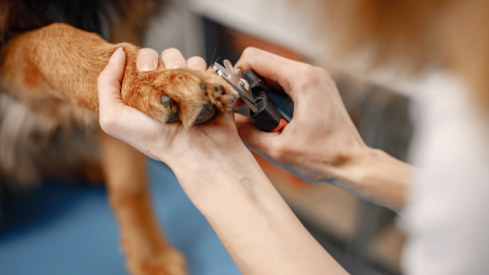
Research shows certain dog breeds, shapes and ages are more prone to overgrown nails, highlighting the need for targeted veterinary guidance and owner education on this aspect of canine wellbeing.
Regular nail care is essential for a dog’s overall health and comfort. Unlike some other routine pet grooming tasks that mostly help a dog to look neat and tidy, trimmed nails support comfortable movement, proper posture, and help prevent injuries and infections.
Importance of nail management
Overgrown nails can cause pain when walking, as they force the dog’s toes into unnatural positions and may alter their gait, leading to joint or posture problems. Long nails are also more likely to split, break or get caught, which can result in bleeding and infections.
Keeping nails properly trimmed helps prevent these issues, supports healthy paw structure, and ensures that the dog can move comfortably. Regular nail checks also give owners a chance to spot signs of injury, inflammation or underlying health concerns early on.
Previous research from the UK’s Royal Veterinary College (RVC), published in BMC Veterinary Research showed that overgrown nails were the fourth most frequently diagnosed disorder in dogs under primary veterinary care in the UK in 2019. Despite this, further RVC research in 2025 reported that nail care is one of the most underfunded areas of canine research.
Nailing the science
Filling this gap in evidence on dog nail care, a new study by the RVC’s VetCompass research programme, published in Journal of Small Animal Practice in 2025, revealed that nail clipping in dogs in the UK is a highly common procedure.
Using analysis of data from a random sample of 2,440 nail clipping cases taken from over 2 million dogs under UK primary veterinary practice care during 2019, 5.6% of UK dogs had their nails clipped annually at least once as part of their primary veterinary care.
Nail clipping was the primary reason for attending the veterinary visit for more than half (59.4%) of those dogs, showing just how important the issue of good nail care was to these owners. The most cited reasons for nail clipping veterinary visits were overgrown and/ or ingrown nails (12.7%) and broken claws or dewclaws (8.8%), suggesting nail care is an area that requires more clinical and research attention.
Do breed and age matter?
The VetCompass researchers identified that certain dog breeds were more likely to require nail clipping. Compared with crossbred dogs, the four breeds with the highest percentage of getting their nails clipped each year were the chihuahua (13.3% clipped each year), beagle (12.6%), greyhound (12.0%) and pug (9.4%). Owners of these predisposed breeds should take extra care of nail length in their dogs.
Age and body weight also affected a dog’s chances of undergoing nail clipping. Young dogs were the most likely to have nail clipping procedures. Smaller dogs weighing less than 10kg had higher odds of overgrown nails compared to larger dogs weighing 40kg or more.
The effect of body shape
Dog breeds with a skull shape either shorter or longer than typical had a higher risk of needing nail clipping. Flat-faced dogs breeds (e.g. pug, French bulldog) were 1.7 times more likely to have their nails clipped, while breeds with long faces (e.g. greyhound, whippet) were 1.3 times more likely, compared to breeds with a medium length skull (e.g. Labrador retriever, English springer spaniel).
Dog breeds with shortened and often twisted legs (chondrodystrophic breeds) were also 1.4 times more likely to have their nails clipped compared to dog breeds with straight legs. These results suggest that optimal nail length is achieved most easily in dogs with a natural dog body shape, and that human interference to push dogs towards more extreme body shapes could promote more nail health issues.
Overall observations
The findings provide insights into the characteristics of different dogs that are more likely to need regular nail clipping. This highlights the importance of tailored veterinary guidance and breed-specific considerations in promoting optimal nail health, contributing to better overall canine welfare.
The frequency of nail clipping in primary veterinary care also indicates the need for comprehensive teaching of canine nail care in veterinary education, as well as proactive monitoring and owner instruction.
Together, this may help to reduce preventable complications such as overgrown nails, ingrown claws and associated pain or infections.
Share this story:
One click prioritizes GlobalPETS in your search results and AI answers.