Proactive quality optimization: smarter fresh meat use in pet food production
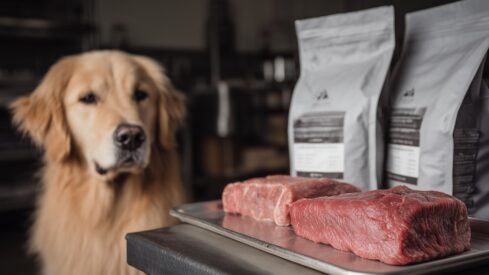
How can pet food manufacturers manage fresh meat variability to improve both efficiency and competitiveness?
Hurdles in fresh meat utilization
Working with fresh meat means consistently balancing product quality while minimizing ingredient spoilage. Meat is inherently variable, with significant differences in quality and fat-to-protein ratios. Since end-product consistency depends on what goes in, manufacturers often pay premium prices for raw materials that meet tight specifications, batch after batch.
Managing the shelf life of premium meats is equally crucial. To prevent spoilage before use, manufacturers rely on methods such as First In, First Out (FIFO) or First Expired, First Out (FEFO). These approaches reduce waste but limit flexibility, as batches are consumed in strict order without considering how one batch might perform better than another.
Hidden risks in standard practices
The common assumption is that if suppliers meet specifications, blending according to FIFO or FEFO will naturally smooth out variability. By treating end-product consistency and shelf-life management as separate concerns, many producers overlook a deeper issue: the failure to optimize both nutritional quality and freshness at the same time.
Raw material quality fluctuates even when suppliers claim otherwise. Manufacturers may pay premiums for “stable” specifications without verifying consistency. When those assumptions fail, the result is often product inconsistency, costly rework and wasted batches. Paying premium prices reduces margins without eliminating variability, while narrow tolerance limits create vulnerability to supply chain disruption.
Smarter approach
Rethinking raw material utilization means ensuring every batch is used at its highest potential before expiration. By going beyond supplier certificates and assessing actual nutritional composition, producers can make smarter blending and batching decisions. Factoring in both quality and shelf life allows each batch to be used fully, reducing waste while tolerating greater variability. This lessens dependence on costly supplier premiums.
This represents a shift from reactive quality management to proactive quality optimization. It requires re-evaluating traditional practices and recognizing that narrow tolerance limits are not always sustainable. Integrating real-time batch quality data into production planning enables smarter use of variable raw materials, increasing resilience and efficiency. Although this approach requires operational adjustments, it is already gaining traction in parts of the world, particularly in the United States.
The future of efficiency
Efficiency gains today are no longer found solely in faster production lines or larger capacities. They also lie in how intelligently raw materials are evaluated and utilized before processing begins. To learn more about optimizing meat blending, producers can look to BESTMIX as a partner in gaining a competitive edge.
For more information: bestmix.com
Share this story:
One click prioritizes GlobalPETS in your search results and AI answers.
