Rising costs pile pressure on US pet owners

The consequences of ever-increasing pet care expenses are potentially significant, with some families having to ask themselves if they can still afford their furry friend.
The bond between people and their pets in the US has never been stronger, but survey results suggest that the expenditure involved is forcing more than half of owners to make difficult decisions about their pet’s care that could have an impact on the wider industry.
Financial reality check
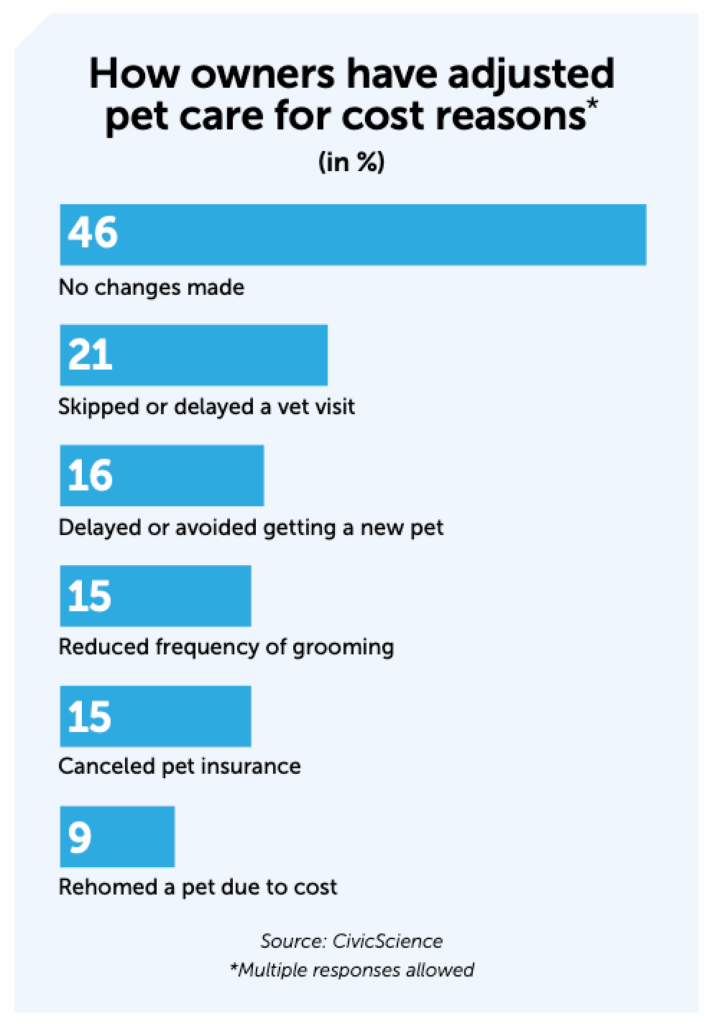
Consumer analytics platform CivicScience has conducted research among more than 1,900 pet owners and the findings paint a stark picture of economic strain in households across the US. While 46% of pet owners say they haven’t yet made changes due to cost concerns, the majority – 54% – have already been forced to modify their pet care routines, purchases or living situations due to financial pressures.
The most common cost-cutting measures are where pet owners feel they have flexibility. Examples of this are the 1 in 5 pet owners (21%) who have skipped or delayed veterinary visits, while almost the same number (20%) have switched to less expensive pet food brands.
Other significant adjustments include delaying or avoiding getting new pets (16%), canceling pet insurance (15%) and reducing grooming frequency (15%). Additionally, nearly 1 in 10 pet owners (9%) have been forced to rehome a pet due to cost considerations. This decision represents not just personal suffering but is also a broader indication of the financial stress facing US households.
Where money is going
Pet spending patterns reveal both the priorities of the owners and the areas most vulnerable to economic pressure. Unsurprisingly, food and treats remain the non-negotiable category, with regular spending on this. That reflects both the essential nature of nutrition and the consumer’s unwillingness to compromise on their pet’s basic needs.
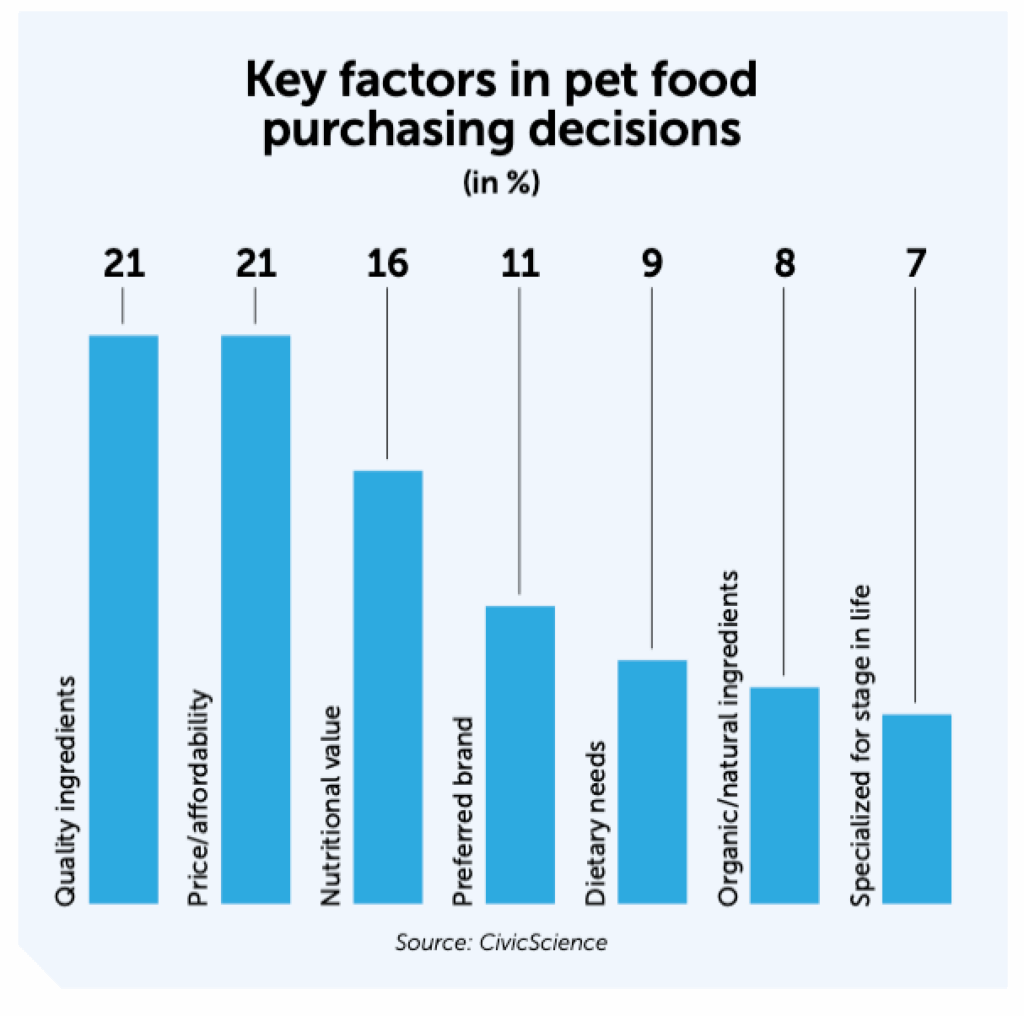
Although over the past 2 years affordability has become an increasingly important factor when buying food, US pet owners are now – as of the first quarter of 2025 – almost equally focused on quality (21%) as on price (21%). This represents a fundamental shift in the market dynamic.
Low take-up of insurance
Almost half of all pet owners still regularly spend money on veterinary care and toys or accessories, while 29% regularly spend on grooming services. Notably, pet insurance adoption remains low, at just 15%, suggesting either cost barriers or a lack of awareness about its potential value in managing unexpected veterinary expenses.
Pet owners are highly aware of rising expenses in various categories. Over the past year, 61% report seeing cost increases, with pet food being the most affected at 57%. Additionally, 38% observed higher veterinary care costs. Slightly lower, but still significant, were noticeable price hikes in medications and toys.
Postponing vet care
The most concerning finding in the data is the postponement of veterinary care, with 1 in 5 pet owner respondents having skipped or delayed vet visits due to cost. This trend could have profound implications for animal health and welfare.
Delay in preventive care often becomes emergency care – typically something that comes with much higher costs and greater risks to pet health.
This veterinary care gap is particularly troubling given that 46% of pet owners regularly budget for vet care, suggesting that even those who prioritize medical expenses are finding costs prohibitive. The 15% who have canceled pet insurance further compounds this problem, removing a financial safety net precisely when it might be most needed.
The ripple effects extend beyond individual pets to the broader veterinary industry. Vet practices may well see a decrease in routine visits and an increase in emergency cases – a pattern that strains resources and potentially drives costs even higher.
Concerns for the future
Pet owners’ expectations for the future suggest the current pressure is far from temporary. Over half (52%) believe pet product prices will continue rising over the next 12 months, while a similar percentage express concern about their ability to afford pet care in the coming year.
Notably, 19% describe themselves as “very concerned” about future pet care affordability, while just 37% say they are “not very concerned” or “not at all concerned”.
These concerns are already influencing major life decisions. More than a third of the respondents (35%) say rising costs would make them less likely to adopt or purchase another pet in the future, while 44% maintain that costs wouldn’t change their decisions. This split suggests potential long-term impacts on pet ownership rates and, consequently, on shelters seeking new homes for pets and on the broader pet industry ecosystem.
Industry turning point
The research findings highlight both challenges and opportunities for pet industry stakeholders. The data reveals an industry at an inflection point. Rising costs are creating genuine hardship for pet owners, forcing choices that may compromise animal welfare and potentially limit future pet ownership.
However, the underlying commitment to pets remains strong – pet owners are adjusting rather than abandoning their responsibilities.
Share this story: