Data: Which pet products thrive under private labels?
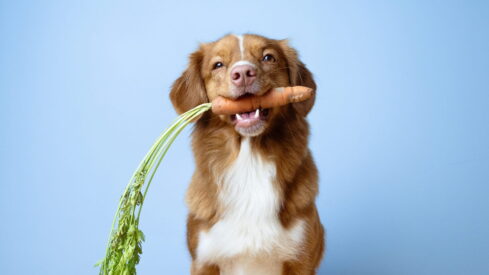
Dog and cat food lead private label unit sales in the US, but furniture, crates and litter boxes capture the highest market share.
Private label brands continue to gain traction as pet owners increasingly seek affordability and quality amid inflationary pressures.
Private label pet care sales in the US r…
Did you think it would be this easy? Nope! Just register. It’s free! Lorem ipsum dolor sit amet, consectetur adipiscing elit. Ut cursus turpis vel cursus ullamcorper. Sed ante mi, finibus eget porttitor a, tincidunt ac dolor. Vivamus ornare semper lorem, consequat commodo lectus elementum vitae. Cras id mattis urna. Donec rutrum dignissim lacinia. Duis ultricies sapien at ipsum tincidunt.
Sed in iaculis elit, sit amet convallis felis. Pellentesque non justo lectus. Donec sollicitudin lorem in sapien euismod varius at vitae mi. Maecenas ut elit ac risus consectetur vulputate. Praesent vel orci ante. Curabitur egestas dapibus nisi ac laoreet. Nullam a lacinia libero, non fringilla nisl.
You’re out of free articles,
register for unlimited access
Share this story: