EU: new pet laws strengthen traceability, welfare, breeding and cross-border travel
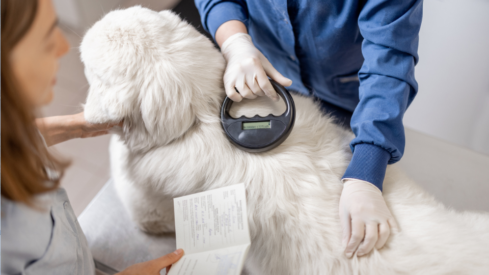
The rules establish harmonized identification systems and clarify obligations for owners, breeders and sellers over the coming years.
EU-wide legislation on pet welfare and traceability is being complemented by national reforms across Europe, including mandatory microchipping schemes in Poland and Estonia, as well as updated rules on pet movement and registration. GlobalPETS has the details.
Dog and cat welfare
On 28 April, the European Parliament approved the EU’s first-ever rules covering the breeding, housing, traceability, import and handling of cats and dogs.
Under these new rules, all cats and dogs kept in the EU will be required to be microchipped and registered in interoperable national databases. In addition, animals imported from non-EU countries for sale will have to be microchipped before they enter the bloc and then registered into a national database.
Sellers, breeders and shelters will have 4 years from the legislation’s entry into force to comply with the new registration requirements. For pet owners who do not sell animals, the obligation will kick in after 10 years for dogs and 15 years for cats.
The legislation also bans breeding practices considered harmful to animal welfare, including breeding between parents and offspring, grandparents and grandchildren, and siblings and half-siblings. Breeding animals for exaggerated physical traits that create significant health risks will also be prohibited.
In addition, the regulation bans the mutilation of dogs and cats for shows, exhibitions or competitions.
The legislation passed with 558 votes in favor, 35 against and 52 abstentions and has already been agreed with the Council.
Traveling with pets
European pet owners traveling with dogs, cats and ferrets for non-commercial purposes must now comply with updated EU travel requirements when moving between Member States or entering from non-EU countries, under a Commission decision adopted on 22 April.
The new regulation requires that pets be vaccinated against rabies and, when entering from a non-EU country, undergo a rabies antibody test.
Additionally, companion animals traveling within the bloc will be required to have a valid European pet passport from 1 January 2028. Meanwhile, pets entering the EU from a non-EU country must carry a valid EU animal health certificate from 1 October 2026.
The updated rules also clarify that a maximum of 5 animals per vehicle is permitted when transporting pets between EU Member States and non-EU countries.
In addition, pet identification documents will be updated to include the code of the animal’s country of origin, with the requirement taking effect from 1 January 2028.
Pet microchipping
- Poland
The Sejm, the country’s lower house of parliament, passed the Act on the National Register of Tagged Dogs and Cats (KROPiK) on 17 April, introducing mandatory pet microchipping in the country.
The legislation requires all dogs to be tagged and registered nationwide, regardless of age. For cats, mandatory identification will apply to owned animals under 3 months old, as well as cats housed in shelters or under the care of organizations.
The national register is expected to eventually include around 8 million dogs and 6 million cats.
The KROPiK register will be managed by the Agency for Restructuring and Modernization of Agriculture (ARiMR), while veterinarians will handle the tagging and registration process. ARiMR will provide free registration for already-tagged animals during the first 3 years of implementation.
The Sejm shortened the implementation timeline from 3 to 2 years after the law’s promulgation. However, animals born before the law takes effect will have an additional 3 years to complete registration requirements.
- Estonia
The country’s Regional Affairs and Agriculture Minister Hendrik Johannes Terras signed a bill introducing mandatory microchipping for pet dogs and cats.
Once implemented, the legislation will also require that ferrets be microchipped and establish a national pet register to improve pet traceability and reduce illegal animal trade and fraud.
While the mandatory rules focus on the 3 most commonly owned pets in Estonia, owners will also be able to voluntarily register other animal species in the national database.
The government says the centralized register will help authorities better monitor pet populations, improve veterinary planning and support disease prevention efforts, including rabies control.
The legislative changes are scheduled to take effect in June 2027 alongside the launch of the new national pet register.
Public consultation in Northern Ireland
The Department of Agriculture, Environment and Rural Affairs (DAERA) launched a public consultation covering a new set of animal welfare proposals.
The consultation opened on 5 May and will run until 30 June 2026. Following the process, DAERA will review the responses before publishing its conclusions and next steps.
The department seeks feedback on measures including tighter microchipping requirements for dogs, regulation of the rescue and rehoming sector, bans on specific aversive training devices and inflation-linked increases to dog license fees.
The proposals build on the Animal Welfare Pathway published in May 2025. Measures already introduced or currently progressing include legislation targeting pet theft, a review of dog breeding regulations and new rules governing the sale and supply of puppies and kittens.
Share this story:
One click prioritizes GlobalPETS in your search results and AI answers.