Healthy skin, beautiful coat: support from the inside out

Clinical feeding trials highlight how yeast-derived compounds help manage canine allergic flare-ups and promote tissue recovery.
A glossy coat is often the first sign owners associate with a healthy pet, and persistent scratching or redness are quick to signal that something is off. As consumers increasingly expect daily diets to address skin sensitivity from within, brands are looking more closely at functional ingredients backed by clear physiological mechanisms.
When skin loses its natural balance
One of the most common chronic allergic skin conditions for dogs is atopic dermatitis. Characterized by itching and inflammation, it leads to scratching and self-inflicted damage. Animals prone to atopic dermatitis may react to everyday substances, such as house dust mites or grass pollen. Their immune system treats a harmless visitor like a threat, and the skin responds with itching, redness, scaling or thickening. Skin irritation can create more damage. Scratching, biting and rubbing weaken the skin barrier, leaving small wounds that risk infection.
Nutrition can support the broader management of coat and skin problems. One ingredient attracting scientific interest is yeast beta-1,3/1,6-glucan. Its name may be a mouthful, but the question behind it is much simpler: could it offer useful support alongside a wider skin-care plan?
A supporting role for beta-1,3/1,6-glucans
Beta-1,3/1,6-glucans are natural compounds found in yeast cell walls, known for their immunomodulatory properties. Purification of beta-1,3/1,6-glucans from the yeast cell wall is necessary to make the structure available, so immune cells can recognize the specific carbohydrate structure and respond.
Supporting wound healing is one promising area of research for beta-1,3/1,6-glucans, as they may promote skin health through modulation of the immune response. Immune cells have specific receptors on their surface, including Dectin-1, that recognize the specific beta-1,3/1,6-glucan structure. Multiple scientific studies link beta-1,3/1,6-glucan to four important benefits: supporting wound repair, regulating inflammation, strengthening defense against bacterial infections and helping balance allergic responses.
Think of skin repair as a team effort. Macrophages act like coordinators, directing immune activity and sending signals that start repair. Fibroblasts are the builders, producing collagen and helping reconstruct damaged tissue. Laboratory studies show that beta-1,3/1,6-glucans can modulate both cell types, increasing growth factors and collagen production, helping damaged skin regain strength.
Immune balance is crucial. A limited inflammatory response is part of normal healing. Inflammation that is too intense or lasts too long can delay recovery. Beta-1,3/1,6-glucans may help immune cells regulate these signals, resulting in better tissue repair and healing. At the same time, evidence from other wound models points to lower bacterial counts and a reduced infection-related response. The combination of repair, balance and defense is especially relevant when scratching repeatedly reopens the skin.
There are also indications that beta-glucans can help rebalance IgE-mediated allergic responses. No single mechanism solves atopic dermatitis, but beta-1,3/1,6-glucans may support skin health in several complementary ways.
From science to the food bowl
The obvious question is, are these biological effects visible in dogs? A double-blind, placebo-controlled feeding trial followed privately owned dogs with atopic dermatitis for eight weeks. Sixteen dogs ate a complete dry food without added beta-1,3/1,6-glucans, and fifteen dogs received similar food containing 800 ppm of a purified beta-1,3/1,6-glucan. Flea treatment was standardized, while owners scored itching, redness, scaling, thickening and stripping of the skin.
The pattern was encouraging. All five clinical signs improved more in the beta-1,3/1,6-glucan group than in the placebo group, and the pooled difference in group-mean score changes was statistically significant (P < 0.001). Coat quality, an indirect but relevant measure, also improved significantly from baseline within the beta-glucan group (P = 0.016). Although the difference in coat-quality change between groups did not reach significance, the within-group improvement adds a positive, practical signal for less damage from constant scratching and rubbing.
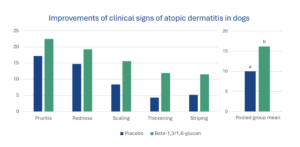
Figure 1. How purified yeast beta-1,3/1,6-glucans may support skin health in dogs.
A wider nutritional perspective
These encouraging findings inspired further research in horses with insect bite hypersensitivity, or “summer itch”. Beta-1,3/1,6-glucans were incorporated into a supplement with essential fatty acids, vitamins and trace elements. Compared with the same period in the previous year, horses showed fewer skin lesions in the mane and tail, less itching behavior, and over half of owners reported better skin health and wound healing. Although both field studies have limitations, these findings suggest that nutritional strategies including beta-1,3/1,6-glucans may support animals facing skin challenges.
Build a complete skin-health strategy
The most useful conclusion is not that one ingredient solves atopic dermatitis. It is that beta-1,3/1,6-glucans may support several biological needs at once: wound repair, inflammatory balance, resistance to secondary infection and regulation of allergic responses. That makes them a logical nutritional tool when the objective is to help the skin recover and remain resilient.
Successful management begins with veterinary diagnosis and combines the right measures for the individual animal: reducing allergen exposure where possible, controlling infection and inflammation, preventing self-trauma, and supplying appropriate nutrition. Within an integrated plan, beta-1,3/1,6-glucans can support the animal from within, helping healthy skin and a comfortable, glossy coat become the everyday signs of a thriving pet.
For references, please contact info@orffa.com
Share this story:
One click prioritizes GlobalPETS in your search results and AI answers.