i-Tail raises FY2026 outlook after Q2 profit jumps 21%
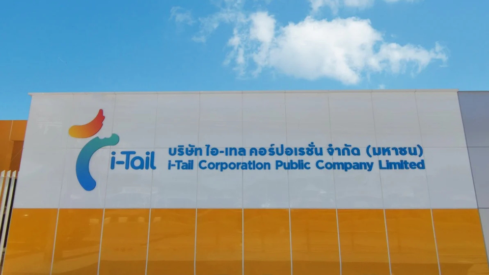
Pet treats overtook dog food as the company’s second-largest pet food category during the period.
Thai pet food manufacturer i-Tail Corporation reported net sales of $152 million (€134M) for the second quarter (Q2) of 2026, up 13% year-over-year (YoY). In Thai Baht terms, sales increased 8.8% YoY to ฿4.9 billion.
Net profit rose 21.3% YoY to ฿844 million ($26M/€23M), translating into earnings per share (EPS) of ฿0.28 ($0.009/€0.008). Net profit margin improved 3 percentage points (pp) to 18.6%.
Gross profit increased 20.2% YoY to ฿1.3 billion ($40M/€35M), with gross profit margin expanding 4.7 pp to 29.7%, despite continued cost pressures from fuel, certain raw materials and packaging.
During the quarter, the company received refunds of certain US import tariffs previously paid, which positively affected reported sales and gross profit.
H1 performance
For the first half (H1) of FY2026, net sales reached $316 million (€278M), rising 20.6% YoY. In Thai Baht terms, revenue grew by 15.1% YoY to ฿10 billion ($316M/€278M). According to the company, the lower growth in Thai Baht reflected the currency’s appreciation during the period.
Net profit climbed 25% YoY to ฿1.7 billion ($53M/€47M), primarily driven by strong operating performance, with additional support from tariff refunds.
Meanwhile, gross profit grew 21.6% YoY to ฿2.6 billion ($81M/€71M), resulting in a gross profit margin of 26.8%. Margin performance was supported by premiumization initiatives, disciplined cost management and supply chain efficiency.
i-Tail attributed its first-half performance to continued product innovation, successful new product developments (NPDs), growth in pet treats and sustained demand from key customers across its core markets.
Regional breakdown
In Q2, the Americas remained the company’s largest market, with revenue increasing 14% YoY to ฿2.9 billion ($91M/€80M).
Asia and Oceania ranked second, generating ฿1.3 billion ($39M/€34M), although revenue slipped 1.1% compared with the previous year.
Europe recorded the strongest regional growth after the Americas, with revenue rising 8.1% YoY to ฿653 million ($20M/€18M).
For the first half of the year, the Americas generated ฿6 billion ($185M/€163M), up 17.9% YoY and representing 60% of total revenue. Asia and Oceania contributed ฿2.6 billion ($80M/€70M), accounting for 26% of the total, while Europe added ฿1.4 billion ($44M/€39M), representing the remaining 14%.
Performance by segment
Cat food continued to be the largest revenue contributor during the quarter, with sales increasing 4.3% YoY to ฿3.1 billion ($97M/€85M). The category made up 66% of total pet food sales, driven by the global premiumization trend in cat nutrition and rising demand for functional and health-oriented formulations.
Dog food generated ฿739 million ($23M/€20M) in sales, down 5.7% YoY, as customer ordering patterns normalized following a strong first quarter. The category represented 15% of total pet food sales.
Pet treats continued to be the fastest-growing segment, with revenue surging 62.3% YoY to ฿925 million ($29M/€26M). Its share of pet food sales increased to 19%, up from 13% a year earlier, surpassing dog food.
The same trend continued in H1, with cat food contributing 63% of pet food sales after revenue rose 4.2% YoY to ฿6.2 billion ($196M/€172M). Pet treats increased their share to 20% on sales of ฿2 billion ($63M/€55M), up 78.3% YoY.
Dog food represented 17% of H1 pet food sales, with revenue increasing 17.4% YoY to ฿1.7 billion ($53M/€47M).
Guidance
i-Tail raised its FY2026 outlook and now expects US dollar sales growth of 17% to 20%, up from its previous guidance of 9% to 12%. In Thai Baht terms, the company forecasts an increase of 14% to 17%.
It reaffirmed its gross profit margin guidance of 23% to 25% and maintained its selling, general and administrative (SG&A)-to-sales ratio at 9% to 10%. The company also expects capital expenditures to reach ฿1 billion ($31M/€27M).
The upward revision reflects management’s confidence in its ability to sustain strong commercial momentum while preserving profitability through the remainder of the year. The planned capital expenditure will primarily support capacity expansion.
Share this story:
One click prioritizes GlobalPETS in your search results and AI answers.