Live probiotics in dry pet food: from trend to functional nutrition

Why probiotics are taking center stage in pet food, plus a practical example.
For years, probiotics in pet food occupied a familiar yet rarely questioned position—added as a secondary claim, often hidden in the fine print, and seldom evaluated beyond their presence on the label. Today, that is changing.
As pet nutrition increasingly aligns with advances in human dietary science, the industry is entering a new phase—one where digestive health is viewed not as a response to problems, but as a foundation of daily nutrition. This shift has elevated live probiotics from a marketing trend to a functional requirement, particularly in dry pet food.
Veterinarians now routinely link gut health to immune function, inflammatory balance, and even behavior. Retailers report rising demand for products that offer measurable health support, rather than premium positioning alone. At the same time, formulators are reassessing what “complete and balanced” truly means in a market where pet food is expected to actively support long-term well-being.
Against this backdrop, one question is gaining prominence across the value chain: can dry pet food reliably deliver live probiotics that remain viable, functional, and relevant throughout shelf life?
The intestine: where nutrition becomes function
To answer this question, it is necessary to look beyond ingredient lists and focus on where nutrition delivers its greatest impact. In dogs and cats, the intestine is not simply a digestive tube—it is a complex biological system where digestion, microbial activity, and immune defense intersect.
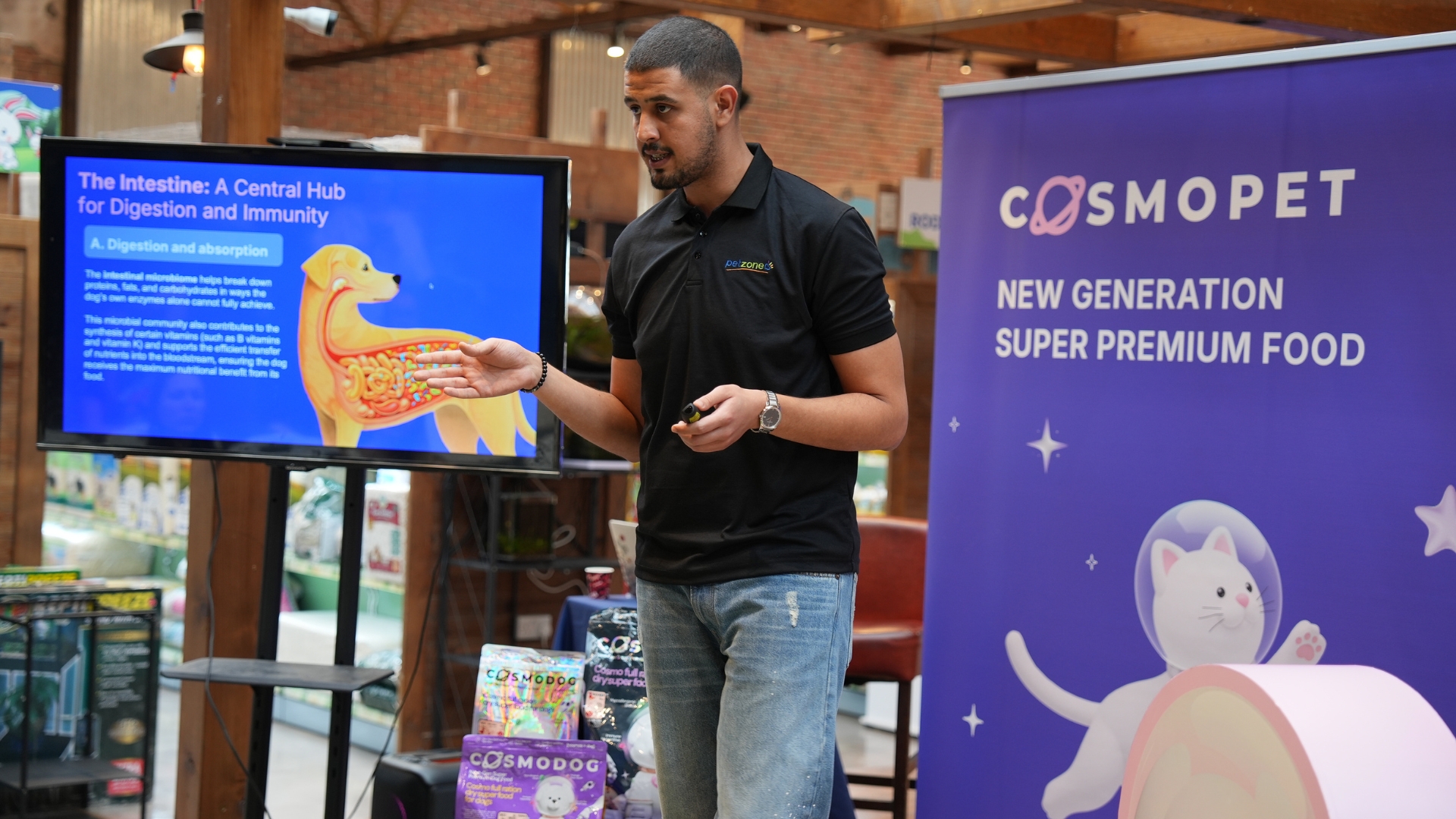
The intestinal microbiome assists in breaking down proteins, fats, and carbohydrates beyond the capacity of the animal’s own enzymes. Through microbial fermentation, gut bacteria enhance nutrient availability and contribute to the synthesis of essential compounds, including B vitamins and vitamin K, improving overall nutrient absorption.
Equally important, approximately 70% of the canine immune system is associated with the gut, concentrated within specialized lymphoid tissue. This immune network regulates inflammation, protects the intestinal barrier, and helps distinguish harmless stimuli from genuine threats. When microbial balance is maintained, digestion and immunity operate in concert. When disrupted, the effects often extend beyond the gut, influencing skin health, metabolic stability, and overall resilience.
The microbiome: an invisible driver of health
The gut microbiome – a diverse ecosystem of bacteria, yeasts, and other microorganisms – plays a decisive role in digestive efficiency and systemic health. A balanced microbiome supports:
- Breakdown of otherwise indigestible dietary components
- Production of short-chain fatty acids that nourish intestinal cells
- Protection against pathogenic bacteria
- Regulation of immune responses
- Communication along the gut–brain axis, influencing stress and behavior
Disruptions to this balance, known as dysbiosis, are increasingly linked to chronic gastrointestinal issues, immune dysregulation, skin sensitivities, and reduced vitality. As a result, nutritional strategies are shifting toward maintaining microbial stability, rather than correcting problems once they arise.
Probiotics: from presence to performance
Probiotics are live beneficial microorganisms that support the stability and function of the intestinal microbiome. Their value lies not in their inclusion alone, but in how they interact with the gut environment.
Key mechanisms include competitive exclusion of harmful bacteria, reinforcement of the intestinal barrier, immune modulation, and production of beneficial metabolites. Together, these actions support consistent digestive comfort, immune resilience, and overall well-being, benefits increasingly observed in both clinical and real-world settings.
Why dry food is becoming a daily delivery system
Traditionally, probiotics were administered through supplements or short-term therapeutic products. Today, more manufacturers are integrating probiotics directly into dry pet food, shifting their role from intervention to prevention.
Dry food offers a practical advantage: low moisture allows probiotic strains to remain dormant and stable during storage, activating once ingested. When properly formulated, probiotic-enriched dry food can support continuous digestive balance, consistent nutrient utilization, immune support, and long-term skin and coat health.
Success, however, depends on selecting strains capable of surviving processing and shelf life—making probiotic choice and formulation technology critical considerations.
From science to application: the Cosmopet example
Cosmopet recently expanded its dry food portfolio to reflect the industry’s growing focus on functional gut health. Its range includes formulations for dogs and cats across life stages and integrates live probiotics directly into daily nutrition rather than positioning them as short-term supplements.
A key element of this approach is the use of Pediococcus acidilactici, a probiotic strain widely studied for its functional activity in gastrointestinal health. Beyond its technological suitability for dry pet food, P. acidilactici demonstrates pronounced anti-inflammatory and immunomodulatory effects and has been used in the management of gastrointestinal disorders such as inflammatory bowel disease (IBD), irritable bowel syndrome (IBS), and functional bloating in animals, including humans.
Research has shown that probiotics based on this strain can support normalization of stool quality in dogs, improve digestive comfort, and contribute to overall gut stability. In addition, P. acidilactici survives passage through the stomach, adheres effectively to the intestinal environment, enhances nutrient digestibility, and helps suppress the growth of pathogenic bacteria in the large intestine, including Salmonella, Shigella, Clostridium species, and Escherichia coli.
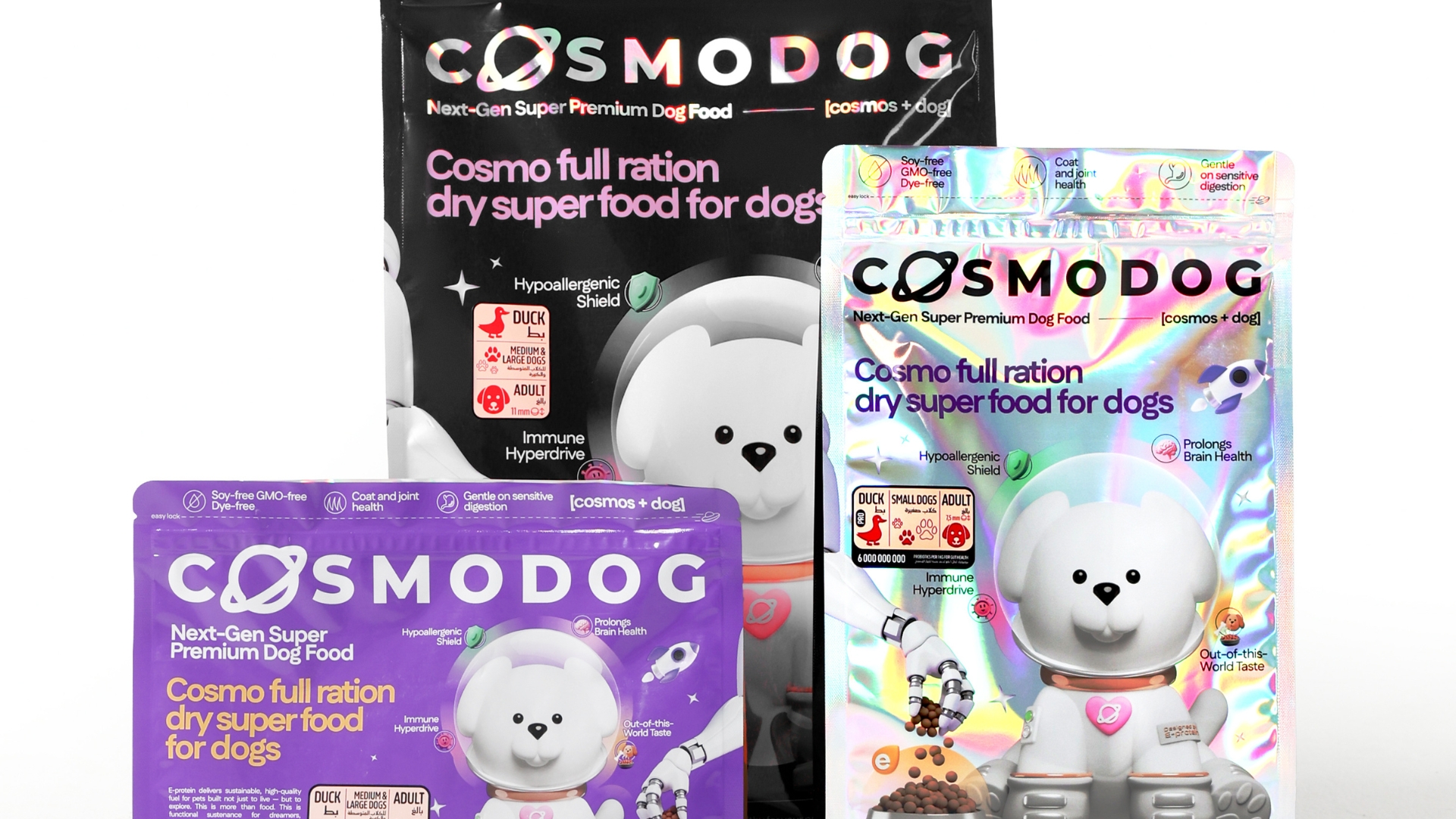
A defining feature of Cosmopet’s approach is the balanced combination of duck and insect protein derived from Black Soldier Fly larvae. Insect protein is increasingly recognized within the pet food industry for its high digestibility, favorable amino acid profile, and lower environmental footprint compared to conventional animal proteins. From a nutritional perspective, it offers a highly functional protein source that supports digestive efficiency while aligning with sustainability-driven formulation strategies.
By combining insect protein, prebiotic fibers, and live probiotics, the formulations are designed to support gut health from multiple angles—protein digestibility, microbial balance, and immune modulation—within a single daily feeding solution.
From an industry standpoint, Cosmopet’s product strategy illustrates how functional nutrition principles can be applied at scale in dry pet food, provided that ingredient selection, strain viability, and processing technologies are aligned with long-term health outcomes rather than short-term claims.
Conclusion: probiotics as a functional standard
As understanding of the gut microbiome deepens, live probiotics are increasingly viewed not as optional enhancements, but as core components of functional pet nutrition. For manufacturers and retailers, the challenge lies in moving beyond presence toward proven viability—especially in dry food.
Those who succeed may help redefine what “complete and balanced” means for the next generation of pet food.
Share this story: