New research highlights sustainability gains in cultivated meat and insect protein
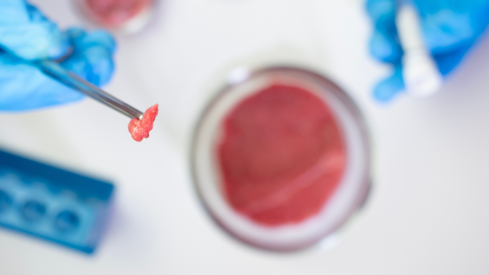
BeneMeat and Innovafeed findings point to lower emissions alongside improved animal health outcomes and feed performance.
Both studies highlight progress in alternative proteins, with cultivated meat showing lower lifecycle emissions compared to conventional livestock and insect-based ingredients demonstrating both nutritional and functional benefits in aquaculture feed trials.
BeneMeat
The Czech biotechnology company BeneMeat, in collaboration with the Czech Technical University in Prague (CTU), recently published a life cycle assessment (LCA) study in The International Journal of Life Cycle Assessment.
The results suggest that producing cultivated meat at scale can match or even outperform conventional meat in terms of environmental impact, with outcomes largely depending on the types of inputs used and the energy sources involved.
The study reveals a carbon footprint of 5.3 kg CO₂ equivalent per kilogram of product, which is already lower than conventional beef or pork production. With further optimization, this footprint could drop to just 3.3 kg CO₂ equivalent, dipping below the emissions of conventional European chicken farming.
“Using primary data from the industrial process allows us to significantly refine previous estimates and provides a vital reference framework for further development in the field of cultivated meat,” says Miroslav Žilka, Ph.D., Head of the Department of Management and Economics at CTU and co-author of the study.
Additionally, energy intensity currently stands at roughly 66 MJ per kilogram, with the potential to decrease further to 61.5 MJ per kilogram.
BeneMeat received a government innovation award and aimed to increase production capacity to 500 kg per day by 2025. Registered as the first producer of cultivated meat for pet food in the EU, BeneMeat plans to conduct follow-up analyses using data from full-scale commercial operations to provide definitive verification.
Innovafeed
French biotechnology company Innovafeed, in partnership with aquatic contract research organization Onda, has published results from 2 collaborative trials evaluating the performance and functional properties of insect-based ingredients in aquaculture nutrition.
The trials, conducted at Onda’s aquaculture research facilities on Prince Edward Island, Canada, assessed the potential of black soldier fly larvae (BSFL) meal to support fish health and performance in Atlantic salmon diets.
The findings showed that an ingredient made from BSFL can inhibit the growth of several bacteria that commonly cause diseases in aquaculture.
In a separate trial, Onda evaluated the use of Innovafeed’s BSFL meal as an appetite and performance booster in grower Atlantic salmon.
Over approximately 3 months, salmon fed the ingredient grew significantly (from around 300g to 800g) and achieved a 100% survival rate. The fish also showed increased feed intake and improved feed efficiency.
“Given the growing challenge of bacterial diseases and antimicrobial resistance in aquaculture, these findings highlight the potential of insect-derived ingredients not only as sustainable protein sources but also as functional feed ingredients capable of supporting fish immunity and helping reduce reliance on antibiotics,” according to Innovafeed.
Share this story:
One click prioritizes GlobalPETS in your search results and AI answers.