UK: Pet care licensing fees climb as services expand
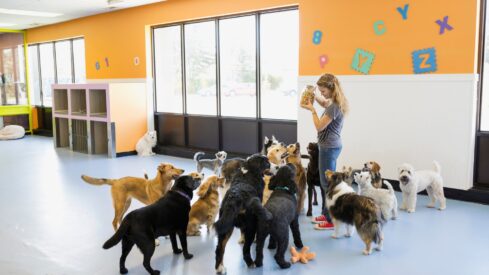
The sector is shifting toward daycare and home-based care, but inconsistent reporting and wide fee disparities risk undermining fair competition and effective policy planning.
In the UK, animal activities licensing is seeing shifts. For instance, according to the Pet Industry Federation (PIF), care-based services have grown while retail activity has eased between 2023 and 2025.
In a recent analysis on local authority animal licensing data, PIF concludes that in the past 3-year period, home boarding and dog daycare rose by 14% and 19% respectively. On the other hand, catteries and pet sales declined by 3% and 5% respectively.
According to the conclusions, first-year business license fees increased by 9%.
Yearly overview
The report also analyzes the increase in pet-related commercial licenses in the UK between 2024 and 2025, which averaged 9%.
Daycare rose most (+16%), followed by kennels, catteries, home boarding and selling animals (+9%). The federation notes that, within these increases, some local authorities have exceeded the average.
On the other hand, dog breeding licenses decreased by 6%, while riding establishment licenses dropped by 14%. However, PIF notes that this comes from authorities that have submitted data for the first-year license for both 2024 and 2025.
In transition
For PIF, the animal activities licensing sector in the UK is “in transition.”
“Care-based services are expanding, with daycare emerging as the fastest-growing category. Traditional kennels remain steady, while catteries and the sale of pets have declined slightly,” reads the report.
According to the federation, this reflects changing consumer behavior, with “more owners seeking flexible care solutions rather than traditional facilities or retail purchases.”
The report recorded the results from 272 local authorities in 2025 and 263 in 2024. The PIF also uncovered cost disparities among local authorities, as some of them charge fees as high as £1,536 ($1,889/€1,782) for a selling-animal license, tripling the average. For horse riding licenses, some authorities also charge £1,622 ($1,996/€1,881).
Government call
PIF urges the government to investigate such authorities so that traditional establishments are not forced to close or give up selling pets, and instead push these activities online and into unlicensed premises.
In addition, councils also fail to submit returns, and others provide complete figures, while some produce “implausible swings that had to be excluded.”
“Unless comparisons can be made year on year, the returns and the data will have little use as no accurate comparisons can be drawn across all local authorities,” it says.
The report concludes that the sector is growing in areas of pet care but faces challenges in data quality. “More consistent reporting, better enforcement of mandatory returns, and a standard coding system for all local authorities would give a stronger foundation for future analysis and policymaking.”
Share this story:
One click prioritizes GlobalPETS in your search results and AI answers.