UK: Renters’ Rights Bill could unlock 1 million new pet requests
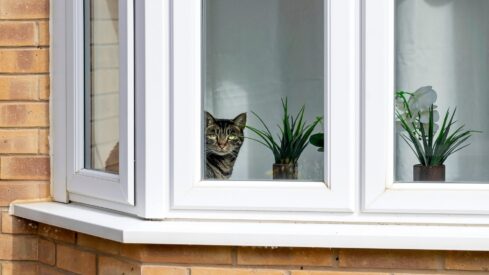
A new survey shows that 4 in 10 renters would seek landlord approval once the law takes effect.
The Renters’ Rights Bill, introduced by the British Parliament in September 2024, is in its final stages and is expected to take effect in late 2025.
The measure will give tenants the right to request approval to own a pet in a rented property, which landlords cannot unreasonably refuse. It will also allow renters to challenge refusals if they believe they are unfair.
A survey conducted by the UK-based comparison site Go.Compare found that 42% of respondents say they would make a request once the law takes effect, representing 1 million households.
Additionally, more than half (56%) of these prospective pet owners say they would choose to get a cat, and a similar amount (52%) want a dog. This would mean 597,000 households with a new cat and 555,000 with a new dog across the country.
The research was based on a YouGov survey of 2,000 UK renters on 28 May 2025. Respondents were selected at random across several demographics.
The current landscape
The survey found that 2 in 5 renters, or more than 2 million households, currently rent with a pet.
About 743,000 households say their landlords had blocked pet requests, representing 16% of renters. Nearly 8 in 10 of those denied felt the decision was unreasonable, suggesting more than 590,000 households may have been unfairly prevented from keeping a pet.
More dog owners (17%) received rejections compared to cat owners (14%), as landlords see dogs as being more prone to causing problems.
Because of this, about 4 in 10 renters chose not to submit pet requests to their landlords, often assuming they would be rejected.
Reasons for rejections
For landlords, the most common reasons to reject a pet request from a renter include concerns about damage to their property and the risk of nuisance or noise to neighbors. “They also might suggest that the property is unsuitable for a certain pet, or that a pet means increased insurance costs,” Go.Compare adds.
However, Go.Compare found that owners of unusual pets were the most likely to have their requests denied, with 25% of renters who own a lizard or snake and 20% of those with a hamster, gerbil or guinea pig reporting they had been blocked in the past.
The costs
While the majority of renters who plan to get a pet are ready for expected costs like food (90%), toys and accessories (85%), microchipping (78%), medical bills (77%) and neutering fees (73%), Go.Compare says they are most likely to feel unprepared for more infrequent costs, like grooming (60%) and kennel or cattery fees (39%).
When it comes to insurance, the majority, or 75%, say they would purchase pet insurance, but nearly a fifth (18%) note they weren’t sure whether they would get cover, and a further 8% state they wouldn’t.