Pet food processes: extrusion vs cold press
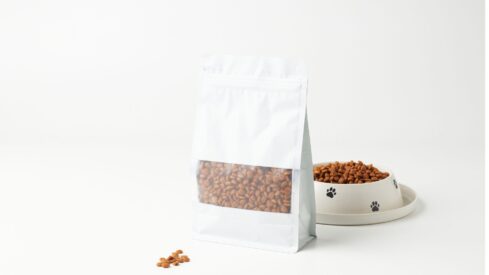
Science and brands alike are being pushed to explain how production methods affect digestibility, nutrients and health.
Recently, extruded pet food has been receiving bad press by being likened to ‘ultra-processed’ human food, thereby becoming less appealing to consumers. As research emerges, it seems some ingredients may prove healthier through the use of particular processes than others.
Effects of heat on digestibility
Heat during extrusion greatly improves the digestibility of starch through gelatinization and of protein through denaturation, and reduces some anti-nutritional factors such as phytic acid, tannic acid and trypsin inhibitors, which affect protein digestibility.
Extruders have a barrel that can be heated, through which the feed mash is moved by screws. Barrel heat goes to boiling temperature, but the temperature is increased above that by increasing pressure from the screws where the screw channel becomes shallower and the material is compacted.
Improved digestibility is, however, also one of the claims used by pressed food manufacturers. Extruders and presses both mix ingredients and shape these by pressing through a die. Temperature and pressure are the main differences between the two. Pressing occurs at temperatures between 40-80°C and results in compact shapes, often pellets.
A study by researchers at Wageningen University in the Netherlands and published in the Journal of the Science of Food and Agriculture in 1996 on apparent total tract digestibility of protein found higher digestibility for pressed than extruded diets using gelatinized corn starch.
However, fecal pH was lower on the extruded diet, suggesting more fermentation and bacterial protein from the hind-gut leading to lower apparent protein digestion, whereas real digestibility could be the same.
Influence of ingredients
When native grains were used, the reverse effect in digestibility was observed. Fermentation of the undigestible fraction reduced apparent protein digestibility of the pressed diet, as reported in a research study from the Kafkas University, Turkey, and published in the university’s Journal of the Faculty of Veterinary Medicine in 2017.
Extrusion often uses ground, native or whole ingredients that go through a hammer mill before entering the extruder. The product gets cooked through the extrusion process, although some ingredients may have been (partly) gelatinized in advance. Pressing does not off er the same cooking step, but some ingredients require pre-cooking to enhance digestibility, maintain food hygiene (e.g. animal byproducts) or reduce anti-nutritional factors.
Some manufacturers of cold-pressed pet food claim increased digestibility and reduction of bloat allegedly caused by air in extruded kibble. Bloat, however, results from gas production through fermentation and there are no conclusive studies behind this claim.
Analyzing the Maillard reaction
The impact of the Maillard reaction is receiving scientific attention, and appears highly relevant to pets. It plays an important role in the production of dog and cat food for palatability and the average daily intake by cats and dogs of reaction products is much higher than it is for humans.
The reaction is accelerated with increasing heat and constitutes predominantly of an amino acid and sugar, with those providing most binding places reacting more readily. Lysine is most reactive and the resulting bonds (such as fructoselysine and carboxymethyllysine) render the amino acid indigestible.
Lysine is an essential nutrient, and extrusion and high drying temperatures have shown to decrease lysine bioavailability. However, the average contents of fructoselysine and carboxymethyllysine were reported to be higher in commercially available pressed dog foods than in extruded dog foods in a study run by researchers at Wageningen and published in Nutrition Research Reviews in 2014. The lower processing temperature is therefore not the main determining factor for the pressing process.
Reactive byproducts
Turning the heat up further causes advanced glycation products to form. These naturally form in bodies; however, some could be harmful, including acrylamide, a probable carcinogen in humans. Acrylamide is found in common human foods, including potato chips and bread cooked over 120°C, and depends on the amino acids present, with asparagine playing the lead role for acrylamide formation.
Although toxic at high levels, a direct link between levels in processed pet food to health effects in pets is yet to be established. Limited work on dog food from researchers at Azabu University in Japan showed higher levels in extruded than in retorted dog food. Daily intake was estimated to be four times higher in dog than in human food, according to a study published in Fundamental Toxicological Sciences in 2021.
The formation of harmful compounds is certainly not exclusive to the extrusion process itself, although extrusion can allow for an increase in the formation of these compounds. Dry pet foods with high inclusions of frozen or fresh animal byproducts require a twin-screw extruder. Twin-screw extruders provide better control and can handle substances with high moisture, fat and/or fiber. They have most power – and with great power comes great responsibility.
In extrusion, the ingredients, moisture levels, thermal and mechanical energy play lead roles for the Maillard reaction. Accordingly, the use of twin-screw extruders, which provide more flexibility, also allows greater possibility to create high thermal and mechanical energy inputs. We know that this can lead to the formation of different compounds.
However, there is no conclusive research linking these formed compounds to health implications for pets.
Matching ingredients and process
Extruded dog food with similar compositions containing hydrolyzed animal protein results in more Maillard reaction products with increasing mechanical energy input. Hydrolyzed animal protein has more available binding sites for engaging in the Maillard reaction.
Controlling thermal and mechanical energy might help control the Maillard reaction and also the more advanced, potentially harmful, compounds. This is a necessary consideration for all kinds of protein, and especially for hydrolyzates.
Extrusion can release phenolic compounds from the cell walls of cereal grains, sweet potato and cereals in combination with vegetables, thereby increasing the levels of antioxidants in the finished product. However, the levels of tocopherols, β-carotene and anthocyanin decrease.
In contrast, high barrel temperature may lead to decarboxylation, and high moisture content may promote polymerization of phenolic compounds, thereby reducing antioxidative capacity. The impact depends not only on the level of bioactive compounds, but also their composition.
The backlash against UPFs
A human population-based cohort study was conducted by Harvard over 34 years with more than 100,000 participants in the US, monitoring mortality rate and ultra-processed food consumption.
Published in the British Medical Journal in 2024, it reported that participants in the highest quarter of ultra-processed food consumption had a 4% higher all-cause mortality and 9% higher mortality from causes other than cancer or cardiovascular diseases, compared with those in the lowest quarter. However, this association reduced when the overall dietary quality was considered.
According to Mintel data, manufactured pet food has become less appealing to 48% of UK pet owners due to concerns over the healthiness of ultra-processed food. Mobile apps for consumers have been developed that score the level of processing or additives in food. Mintel reported that air-dried, freeze-dried or cold-pressed pet food launches doubled their share from 3% to 8% of launches between November 2020 to October 2025.
Taking a balanced view
Each process has its benefits and pet food brands would do well to concentrate on those, as opposed to focusing on the downsides of their competitors. Substantiating the ingredient selection for your production process is the reasoned choice.
Share this story: