The cat’s pajamas?
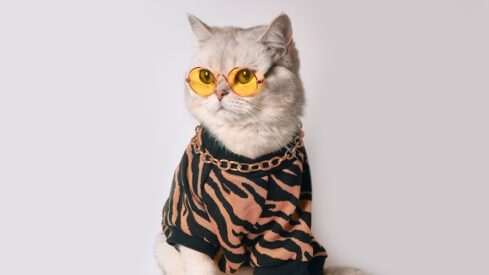
Changing attitudes and demographics, combined with the power of social media, are opening up fresh opportunities for non-dog fashion.
Dogs continue to dominate the pet apparel market, but brands are gradually moving beyond their traditional focus to cats and other companion animals.
Reimagining pet fashion
Younger owners are reshaping what pet clothing represents, pushing demand beyond practical products towards fashion-led and personalized options, with figures beginning to reflect this new reality.
For a long time, pet apparel was seen as the preserve of dogs, with sweaters, coats and seasonal outfits forming a small but growing section of the pet care market. However, owners of cats and even other types of animals are now helping to redefine what pet fashion can be.
According to Rebecca Watters, Wellness Insights Director at Mintel, it is still the case that cat owners buy clothing for their pets less often than dog owners (18% vs 33%). However, the gap narrows significantly for accessories (22% vs 27%) and footwear (12% vs 14%).
Pet apparel growth in Asia
In Asian markets, the pet clothing market is growing amid shifts towards smaller households, with more people opting for owning pets rather than having children. Likewise, disposable incomes are rising across Asia, and people are spending more on pet fashion and accessories as a result.
Gloria Gan, China Insights Senior Analyst at Mintel, notes that Gen Z pet owners in particular are increasingly bringing their pets into social settings, with owners treating them as an extension of their own identities and styles. She also highlights pet fashion weeks that feature cats and exotic pets as well as dogs.
“Pet fashion in China is therefore no longer described as niche,” Gan explains. She adds that pet clothing in the country is becoming more trend segmented. Retro and vintage influences from Korean fashion are shaping the category, echoing its human counterpart.
A form of self-expression
For brands, the appeal of expanding outside ranges for dogs isn’t just about reaching new owner segments. It’s also about tapping into a less mature category where purchasing habits and consumer expectations are still being formed.
For instance, while pet clothing has traditionally been associated with utility and function – with products such as coats that keep animals warm and dry – analysts are increasingly seeing pet apparel becoming a form of self-expression for owners. “A pet’s wardrobe is becoming a direct extension of the pet parent’s personal aesthetic,” comments a Euromonitor analyst.
Matching sports outfits
This evolution has already prompted a response from some premium global brands, with the likes of Gucci offering designer pet apparel as part of a broader fashion ecosystem. Meanwhile, coordinated outfits and ‘twinning’ trends have become popular on social media platforms, with owners and pets sporting matching clothes and accessories. This is pushing pet fashion even further into the mainstream.
In May 2025, for example, global sportswear brand Adidas introduced its first-ever pet range for dogs and cats, featuring the company’s classic logo and three stripes branding. Initially launched exclusively for the Chinese market, the collection was also released in Japan in April 2026. The range was then expanded to national football team jerseys to tie in with the summer’s FIFA World Cup tournament.
Despite growing interest in fashion-led non-dog apparel, retailers remain unconvinced that it deserves a place on the shelf. Fressnapf, Europe’s largest pet product retailer, tells PETS International it has made an active choice not to offer feline apparel, neither online nor in physical stores. “We do this out of firm conviction, as we clearly prioritize animal welfare in line with our mission,” the company says.
“When it comes to clothing, we always focus on functionality. We never focus solely on fashion or trends, even though we’re aware that this is a strong trend among many customers – and thus among many competitors as well,” adds a Fressnapf spokesperson.
The importance of online channels
One challenge for brands entering the non-dog apparel space may therefore lie in proving that these products aren’t novelty purchases but can generate repeat demand for retailers. In the meantime, however, online channels are becoming increasingly important. According to Antons Sapriko, founder of Latvian e-commerce strategy agency scandiweb, platforms including TikTok Shop and the Chinese e-commerce and social networking site Xiaohongshu matter more than brands realize.
While pet content has always been popular on platforms such as TikTok, the path from discovering a product to purchasing it has shortened. “A viewer can go from watching a video to completing a checkout without leaving the app,” he points out.
One size doesn’t fit all
For apparel to be practical and functional, sizing is the main issue for pet owners. “It’s genuinely hard to crack. There is no standardization across breeds, let alone species, so a size chart that works for one dog will not work for another,” says Sapriko. “High return rates and low repeat purchases in this category almost always trace back to fit uncertainty.”
Another challenge facing suppliers of non-dog apparel lies, therefore, not in driving consumer demand, but in reducing the unknowns that come with it. “Cat owners aren’t confident that their pet will use what they buy,” says Cosima Pole, founder and Creative Director at British specialist Creature Clothes. “When they do buy something and discover that their cat loves and uses it, they keep coming back to us for more.”
Brands that are investing in sizing tools, measurement guides and AI recommendations may well begin to see higher conversion rates and fewer returns. “Fit and sizing tools powered by AI will stop being a nice-to-have and become table stakes,” Sapriko states. He adds that non-dog apparel and social commerce are likely to become even more important as younger pet owners continue to drive category growth.
Balancing the emotional with the practical
As the market matures, the brands that combine emotional appeal with practical solutions – such as better fit, clearer sizing and products that marry functionality and fashion – are likely to emerge as the winners.
At present, non-dog apparel remains a smaller category, but brands willing to invest in securing trust and addressing the sizing issues faced by owners may find themselves writing the rules for a category that’s still finding its feet.
Share this story:
One click prioritizes GlobalPETS in your search results and AI answers.