Analysis: China opens door to UK cat and dog food imports
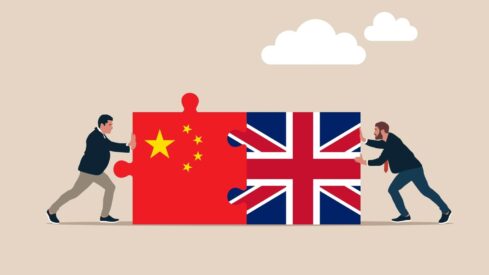
Pet food industry welcomes the decision but calls for broader access for products aimed at small animals and aquatic species.
The United Kingdom and China are working on agreements to allow the export of UK cat and dog food into the Chinese market for the first time, the Department for Environment, Food and Rural Affairs (Defra) tells GlobalPETS.
The General Administration of Customs of China (GACC) announced in November that imports of pet food from the UK and Northern Ireland were permitted, subject to inspection and quarantine requirements.
Ongoing work
The document states that dry and canned food, as well as snacks and chew toys, are allowed if they are legally registered and approved by Defra, implement a hygiene management system based on the Hazard Analysis and Critical Control Point (HACCP) principles and obtain registration with Chinese Customs.
“Work remains ongoing to agree details between Defra and GACC, such as export health certification requirements,” say British officials.
GlobalPETS learnt that the new trading arrangement has not yet resulted in any exports between the 2 countries.
Other requirements
GACC’s publication prohibits imports of pet food made with ruminants or aquatic mammals, except when milk and dairy products are used as raw materials. The Asian country also bans the import of products made with animals that were illegally hunted or caught, or died from animal-related diseases.
Raw materials should also undergo safety and hygiene testing conducted by Defra. For animal-derived raw materials imported from outside the UK, China requires that they meet the same safety standards and undergo quarantine.
GACC has requirements about production and processing – such as sterilization for canned food and daily supervision of the processes – as well as packaging, labeling, storage and transportation – including the use of brand new, clean materials and effective sealing.
Market potential
The UK’s Secretary of State for Business and Trade, Peter Kyle, visited China in September to push for market access in 7 segments, aiming to achieve over £1 billion ($1.3B/€1.1B) in outcomes over the next 5 years, the Department for Business and Trade says.
Pet food was part of the agreement, and the 2 countries signed a protocol enabling the exports from UK producers at the time. Additional markets included live spiny lobsters and porcine semen, among others.
Despite recent progress, the Department for Environment, Food and Rural Affairs says that “the UK has been working with China to secure market access for pet food for over 5 years.”
The British pet food industry association, UK Pet Food, tells GlobalPETS that while the agreement marks an “important and positive milestone,” it is “disappointing that the current protocol defines ‘pet food’ solely as products for cats and dogs.”
The association adds that it is “actively working with Defra to negotiate a separate compound feed protocol that would enable exports of feed for small animals and aquatic species in the future.”
Export insights
Data from the Office for National Statistics ranks China as the 6th-largest UK export market, based on figures from April 2025.
This represented £28.8 billion ($38.6B/€33B) for the 4 quarters ending in Q1 2025, or 3.3% of total UK exports in the period.
The proposed new markets will diversify trade between the 2 countries. As of the end of Q2, cars dominated exports from the UK to China, followed by crude oil, medicinal and pharmaceutical products, mechanical powder generators and metal ores and scrap.
Share this story: