Analysis: Fish oil finds new opportunities in pet nutrition
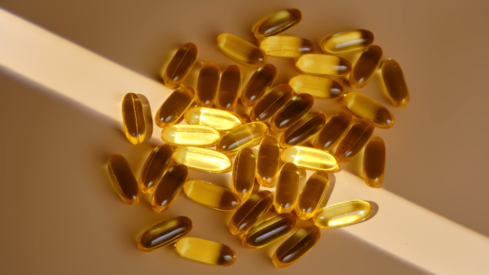
Growing demand for pet omega-3s is driving a wave of supplement launches, while supply constraints are accelerating the search for alternatives.
Fishmeal and fish oil serve a growing range of applications, but supply is under pressure. Data from The Marine Ingredients Organisation (IFFO) shows that under ongoing coastal El Niño conditions, the Peruvian authorities have extended their current fishing ban.
The country accounts for around a fifth of global fishmeal and fish oil production in an average year, but its marine ingredient output has remained well below historical levels in 2026 following the suspension of fishing in the north-central anchovy fishery.
According to the latest IFFO data released on 5 October 2026, cumulative fishmeal production across its reporting sample was down 45% year on year through August. Fish oil production fell by 26% over the same period.
Although Chile, Spain and the US recorded stronger raw material intake in August, helping improve monthly production, lower availability in Peru, African producing countries and Iceland and the North Atlantic region continued to weigh on supply. Denmark and Norway remained broadly in line with year-earlier levels.
IFFO’s reporting covers Chile, Denmark, the Faroe Islands, Iceland, Ivory Coast, Mauritius, Norway, Peru, South Africa, Spain, the UK and the US. The data represent approximately 40% of global fishmeal production and 50% of fish oil output.
Diversified demand
For the pet industry, the news is relevant because pet food is part of a movement that diversified the demand for these ingredients in recent years. IFFO estimates the sector consumes around 5% of total crude fish oil per year.
Use of fish oil in sectors other than aquaculture and nutraceuticals rose from 9% in 2021 to 20% in 2024. At the same time, the aquaculture share has decreased from 74% to 64%. Demand for nutraceuticals remained stable at around 16%.
“This breakdown reflects the marine ingredients sector’s specificity: it’s a seller market, where every gram is consumed and who can pay the most buy the raw material,” IFFO’s Market Research Director, Enrico Bachis, tells GlobalPETS.
Fishmeal is also becoming “increasingly important within animal meals in dry pet food,” Bachis says, mainly due to the awareness of the nutritional value associated with marine products.
Due to lower market availability, prices are expected to rise, further intensifying competition. “As supply is limited, pet food manufacturers adjust their procurement strategies while exporters and traders hold inventory longer and demand higher prices.”
Fish oil moves into pet supplements
After a decade producing supplements for dogs, the family-owned fishing company Trident Seafoods launched a product last year that positions fish oil as the star of animal nutrition. Under the wellFURst brand, it released products based on fish oil and a salmon oil blend.
“Demand for omega‑3 ingredients in pet nutrition remains strong, driven by a growing focus on preventative health,” Alexis Telfer, Vice President for Global Communications & Marketing, tells GlobalPETS. Pet owners’ concerns about ingredients, coupled with “higher standards around sourcing and transparency,” drove the company to invest in this line.
The manufacturer has invested in its fisheries to reduce dependence on supply availability or fluctuating prices. “We leveraged our vertically integrated model and species diversity to support a stable and scalable supply,” she says.
More launches
In 2026, at least 2 other companies that were already producing pet food based on marine ingredients also launched fish-oil omega-3 supplements for cats and dogs: Finfare Pet Foods and Vital Pet Life.
Both products can also be used as meal toppers, expanding the companies’ use of marine-derived raw materials.
In addition, pet food brand Bound Pets launched in the UK in May 2026, offering soft-chew supplements and liquid supplements in pump bottles for dogs and cats made with fish oil, natural herbs and vitamins, messaging longevity as an outcome of the combination of ingredients.
Push to alternatives
Supply chain constraints have increased the use of omega-3 alternatives. For instance, in April 2026, dsm-firmenich launched a fish oil replacement based on algae ingredients.
The company marketed it as “the world’s first microalgal oil to deliver the same natural 3:2 EPA:DHA omega-3 ratio,” referring to the fatty acids eicosapentaenoic acid and docosahexaenoic acid.
“Fish oil, the traditional source of these nutrients, faces ongoing challenges, including supply volatility, fluctuating costs and sustainability concerns linked to marine sourcing,” the company said while advertising the new product.
Although fish oil is gaining ground in supplements, it remains an important ingredient in pet food formulations more broadly. Therefore, pet food manufacturers need to secure long-term access to marine ingredients and prepare for prolonged production instability.
Outlook
A joint report from the Organisation for Economic Co-operation and Development (OECD) and the Food and Agriculture Organization of the United Nations (FAO) estimates that “by 2035, global consumption of aquatic animal products for food is projected to rise faster than non-food uses.”
Fishmeal and fish oil are predicted to represent 86% of the 21 million tonnes of live weight equivalent (lwe) of fish and other aquatic products used for non-food purposes by 2035.
“Although total volume continues to grow, the rate and absolute increase are slowing, with production projected to expand by 11% over the next decade, compared with a 24% rise in the previous decade,” the report concludes.
Share this story:
One click prioritizes GlobalPETS in your search results and AI answers.