EU Council and Parliament agree on dog and cat welfare rules to take effect in 2028
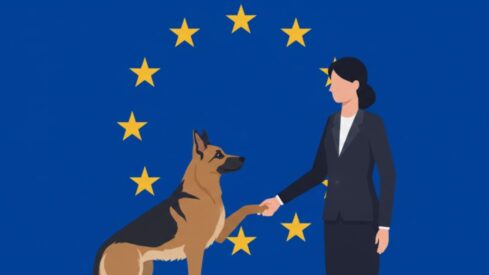
The legislation, the first of its kind in the region, is backed by pet food industry associations.
For the first time in the region, the European Council and the European Parliament reached a provisional deal that establishes minimum EU-wide rules for animal welfare and traceability.
The agreement, published on 25 November, is part of a 2-year process that started with a legislative package on the welfare of dogs and cats presented by the European Commission in 2023.
Now, the 2 institutions will review the deal internally. “The Council typically confirms it at the ambassador or ministerial level. The European Parliament endorses it through the relevant committee and then a vote in plenary,” an EU official tells GlobalPETS.
The adopted legislation will then be published in the Official Journal of the EU and enter into force in 2028, after a transition period.
What will change
The main requirements, intended to standardize the approach of all member states, touch upon breeding, mutilation, microchipping and advertising, among other topics.
Regarding the first, breeding will become a regulated activity, with limits on frequency, as well as a minimum and maximum age. For example, parents and offspring can’t reproduce; female cats and dogs can’t reproduce until they reach skeletal and sexual maturity; and breeding hybrids is banned.
The agreement also bans painful mutilations, such as ear cropping, tail docking or the removal of claws.
Additionally, establishments – either breeders, sellers or shelters – will have to provide their pets with clean water, sufficient food, adequate housing and daily access to an outdoor area (the latter is required for dogs older than eight weeks).
Microchipping
The EU bodies have also decided that all dogs and cats need to be microchipped and registered in national databases accessible online and interoperable with other EU countries.
The same rules will apply for imports from outside the bloc, the text stipulates. This means that dogs and cats imported to be sold in the EU need to be registered in national databases within 5 working days, and those who enter the bloc for non‑commercial purposes will have to be registered in the upcoming EU pet travelers’ database before the trip.
As part of the effort to improve responsible ownership, new owners must be made aware of proper pet care, nutrition and veterinary needs by sellers or shelters.
Although the text adopted by Parliament in June mentioned a Positive List to regulate the private ownership of animals other than dogs and cats, and proposed a ban on the sale of cats and dogs in pet shops, the communication regarding the provisional deal doesn’t cover these topics.
Industry reaction
The European Pet Organization (EPO), which has integrated the EU Platform on Animal Welfare, supports the agreement.
“The European Commission will work with stakeholders – including EPO – to develop the implemented and delegated acts needed to ensure the new rules can be fully and effectively applied,” an EPO spokesperson tells GlobalPETS.
EPO also praises the incorporation of selling establishments in the deal. “Under this category, registered pet stores are formally recognized as legitimate and regulated actors within the companion animal supply chain, a development long championed by EPO throughout the negotiation process.”
The European Pet Food Industry Federation (FEDIAF) also welcomed the new ruling. “This landmark step introduces harmonized EU-wide standards on breeding, keeping, identification and trade,” it says.
According to FEDIAF, these new rules will “strengthen” pet welfare and “enhance” consumer trust across Europe.
Share this story: