European raw pet food makers unite on new manufacturing standard
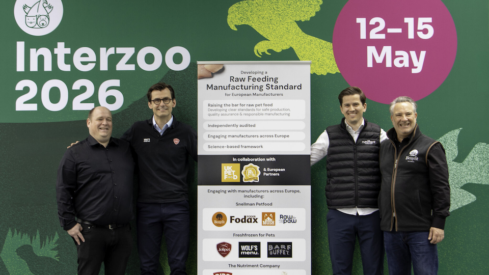
The initiative, based on the UK’s standardized guidelines, aims to establish an EU-wide framework for companies operating in the segment.
Several European raw pet food manufacturers announced a joint initiative on 12 May to adopt a European standard for raw pet food manufacturing. Participating companies include Freshfrozen for Pets, Snellman Petfood, and The Nutriment Company.
Growing demand for transparency
The producers behind the initiative say the move reflects growing consumer demand for minimally processed pet nutrition and increased transparency around ingredients and production methods.
“As the category develops, participating companies believe there is a growing need for clear, credible and consistent manufacturing standards that support product safety, responsible production and consumer confidence across Europe,” reads a joint statement.
The initiative expects participating manufacturers to comply with EU and local regulations, implement robust manufacturing and quality control systems and educate consumers on safe raw-feeding practices to support the responsible growth of the category.
In addition, independent third-party organizations will play a key role in conducting regular audits to ensure that participating manufacturers consistently meet the defined entry and ongoing participation criteria.
A collaborative agenda
“The European Raw Feeding Manufacturing Standard is intentionally designed as a collaborative, open initiative, with the ambition to create alignment across EU markets, support regulatory dialogue and clarity, encourage continuous improvement across the industry and provide clear guidance for retailers and consumers,” it adds.
Pierre Kemseke, Founder and CEO of Belgian player Freshfrozen for Pets, notes that further details regarding the framework, governance model and certification process will be shared in the coming months, after participating companies have also shared their views on the project.
UK guidelines
The new standard will be based on best practices established by the British Pet Food Association and its UK Pet Food guidelines introduced in 2017, which focus on regulatory compliance, industry best practices and cooperation with regulators and enforcement bodies.
The guidelines are divided into 7 chapters, beginning with basic regulations and plant approval requirements. One of the requirements is that raw pet food manufacturing facilities must be registered under the Feed Hygiene Regulations and approved by the Animal and Plant Health Agency (APHA).
Another chapter focuses on plant design and maintenance, outlining standards for facility location, utilities, plant layout, receiving areas and staff hygiene facilities. Maintenance requirements include equipment upkeep, treatment and sampling procedures, pest control, vehicle cleaning and disposal of animal by-products (ABPs).
Material sourcing, production and quality control
The guidelines also regulate raw material sourcing and handling. Raw materials are classified into feed materials, additives, undesirable substances and prohibited materials.
The remaining sections focus on production standards, quality management and public and animal health protection. Production requirements cover personnel training, hygiene, protective measures, equipment standards, product formulation, packaging, distribution and labeling.
Manufacturers are also required to maintain a pet food safety policy and quality management manual, establish clear organizational structures and management review systems, and comply with specifications covering feed materials, packaging, processing, finished products, transport and warehousing.
The document requires manufacturers to implement corrective and preventive actions and maintain communication procedures with customers and internal teams.
The guidelines also place strong emphasis on biological risk management to protect public and animal health, particularly against pathogens such as Salmonella, bacterial spoilage organisms, norovirus and hepatitis A.
Companies that comply with all chapters of the guidelines can receive certification under UK Pet Food’s raw pet food certification scheme, which is administered by an independent body, Kiwa.
Share this story:
One click prioritizes GlobalPETS in your search results and AI answers.