Four in five US rental operators report an increase in pet-owning tenants
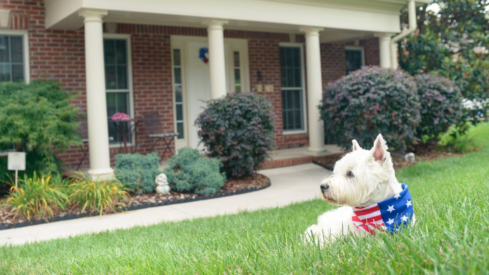
Despite additional repair expenses, property managers report benefits from welcoming pets, including more rental applications and stronger lease renewals.
Pet ownership is rising across rental portfolios in the US, with 81% of operators nationwide reporting an increase.
The State of Pets in Rental Housing, a report from pet policy and screening platform PetScreening, surveyed 673 property management and leasing professionals in the US and concluded that 43% of renters have pets in 2026.
This figure is lower than national pet ownership estimates. Data from the American Pet Products Association (APPA) shows that 71% of US households own at least one pet, nearly 30 percentage points higher than the rate reported by housing operators.
This gap suggests many pets in rental properties may be unauthorized or underreported. The platform notes that without accurate tracking, housing operators may be underpricing pet-related fees and unknowingly exposing themselves to pet-related risks.
Property features
In rental housing, the most common pet-related amenities are pet waste stations (45.4%) and pet parks (32%).
Amenities designed to enhance the pet-owning experience and foster community engagement are far less prevalent. Only 24.9% of respondents offer dog walking services, and just 11.8% host pet-focused events.
In addition, purpose-built enhancements, such as grooming or spa services (7.1%) and pet water stations (4.6%), remain niche offerings rather than standard.
Meanwhile, other services, such as onsite boarding and pet daycare, are virtually absent from rental portfolios and are offered by fewer than 1% of respondents.
Management practices
When it comes to policy design, rental housing operators primarily focus on mitigating risk upfront. Measures such as limits on the number of pets per unit (78.4%), community guidelines (70.6%), breed restrictions (66.7%) and weight limits (59.8%) are widely implemented.
In contrast, policies that require documentation, screening or ongoing enforcement are less common, with only 27.4% of respondents using formal screening or interview processes, while fewer than half require rabies vaccination records (49%). Spay and neuter requirements are even less common, enforced by just 19.6% of operators.
In addition, the majority of operators have implemented monetization strategies tied to pet ownership. Nearly 7 in 10 charge pet rent (68.6%), while about half collect a non-refundable pet deposit (50.9%). Refundable deposits are even less common, reported by only 23.5% of respondents.
Pros offset cons
On average, 31.5% of units experience pet-related damage, with mean repair costs of $567 (€493) per affected unit. While the average one-month security deposit typically covers these costs, it still indicates that nearly one-third of units incur additional turnover expenses attributable to pets.
However, being pet-inclusive can also drive property performance and business results. In fact, surveyed operators note that allowing pets increases resident applications (40.8%), enhances renter satisfaction (26.9%) and boosts lease renewals (23.4%).
Share this story:
One click prioritizes GlobalPETS in your search results and AI answers.