How Ÿnsect is battling to improve competitiveness and remain viable
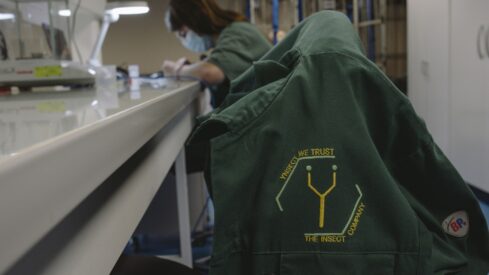
The French insect player has until January 2026 to organize its financial and commercial strategies. GlobalPETS learns more.
After filing for a safeguard plan in September 2024, the alternative protein player Ÿnsect has secured €8.6 million ($10.1M) in funding through the end of 2025, completed most of an operational restructuring and is now in talks with possible investors to remain viable.
CEO Emmanuel Pinto tells GlobalPETS that the main challenge “lies in price competitiveness against low-cost protein imports.”
The progress made in reducing its production costs has restored genuine competitiveness in Ÿnsect’s products, which have a real environmental impact, he adds.
The Paris-headquartered producer ran operational tests of a new farming method that “showed a reduction of more than 70% in insect larvae production costs, exceeding expectations,” the CEO says, although the company does not wish to disclose the details of the trials.
What happens now?
Following a hearing on 15 September 2025, the Evry Commercial Court (south of Paris) ruled that the observation period of Ÿnsect’s receivership would continue until 12 January 2026, after which it would not be possible to renew.
Now, the company is focused on improving negotiations with major agri-food players, who are closely monitoring these advances, and on the restructuring of its balance sheet. “The bulk of the operational restructuring has now been completed. Negotiations regarding the reorganization of the company’s balance sheet are currently underway,” Pinto says.
The process
In recent years, Ÿnsect has expanded its operations with the opening of a new French facility in 2021 and the launch of a mealworm farm in the US in 2023, where its protein has been approved for use in pet food.
However, it has struggled to pay off its debts, and after filing for the safeguard plan a year ago, the company issued a tender offer in January.
During the hearing last September, the company presented its business plan, which aimed to adapt financially and commercially to market conditions. “We have demonstrated that we are able to adapt our organization and processes. We are now focusing on securing our markets and our financing needs. The entire team is mobilized to take on the challenge of the final sprint,” the CEO states.
The Agronutris case
According to French media, in a similar situation, French biotech firm Agronutris recently received €10 million ($11.7M) in funding from insect farming company La Compagnie des Insectes to help sustain part of its operations.
Agronutris had also filed a safeguard plan in January in a commercial court. Although the funding will save its production plant, its holding company, EAP Group, will be liquidated.
According to the company, its situation is caused by the difficulty in accessing financing “due to an uncertain economic environment and investors being cautious following recent developments in the sector and announcements made by other industry players.”
Share this story: