Postbiotics move beyond gut and digestive health
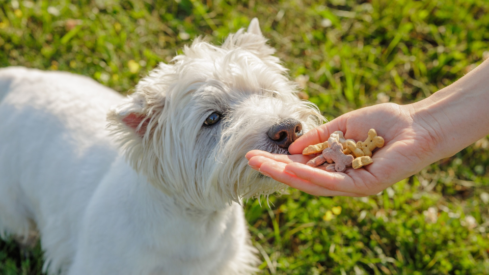
As pet owners focus more on preventive health, companies are exploring new applications for postbiotics, despite limited awareness and scientific evidence.
Postbiotics, inanimate microorganisms or their components that can deliver health benefits when consumed, are emerging as a new frontier in pet health innovation.
Once focused mainly on digestive health, the category is now expanding into areas such as joint mobility, skin health and immunity.
Postbiotics are attracting interest from ingredient suppliers, supplement brands and pet food manufacturers. However, while product innovation is accelerating, the scientific evidence and consumer understanding of these compounds are still developing.
Increased demand
The demand for postbiotics is increasing among pet food manufacturers because they offer a production advantage over probiotics, as they do not depend on maintaining live microorganisms.
According to industry players, this makes it easier to include the ingredient in applications such as powders, extruded treats, and dry and wet food.
American nutrition company ADM expanded its postbiotic portfolio earlier this year with a joint health application, reflecting growing interest in the so-called gut-joint axis.
James Kyffin, Global Director, Pet and Animal Wellbeing, told GlobalPETS that research increasingly suggests changes in the gut microbiome can influence joint function through immune and inflammatory pathways.
Other players are also combining postbiotics with complementary ingredients rather than marketing them as standalone solutions.
In May, British veterinary joint supplement brand YuMOVE launched a new pet supplement that combines prebiotics, probiotics and postbiotics. The formulation was developed in response to growing consumer interest in proactive digestive support, with the 3 ingredients designed to work together to support gut balance, stool quality and natural defenses.
According to the company’s market research, digestive concerns are high among dog owners. “We wanted to take a more comprehensive approach to digestive health by combining prebiotics, probiotics and postbiotics. The complementary ingredients support gut balance, stool quality and the gut’s natural defenses,” Vish Thapar, YuMOVE’s Innovation Manager, tells GlobalPETS.
Closing the awareness gap
Data from the International Probiotics Association (IPA), a non-profit organization that advocates for the use of these compounds, shows that 32% of pet owners perceive probiotics as beneficial to animal health, 17% to prebiotics and only 8% to postbiotics.
According to IPA, less than 25% of owners claim to have a good understanding of these terms, but most list digestion, gut and joint health as the main health products they buy, along with skin and coat, immunity, and daily wellness.
The latest consumer research carried out by ADM found that 71% of owners globally actively seek products that support their pet’s longevity, while 65% specifically look for products containing biotics.
While most pet owners are familiar with probiotics, postbiotics are a newer concept that many are only beginning to discover. For Thapar, this gap in awareness is not just a challenge; it’s an opportunity to educate consumers by addressing these pain points.
Building the evidence base
Industry-funded research is also expanding the understanding of postbiotics beyond digestive health and suggests that pet postbiotics may offer benefits beyond digestive health.
ADM’s preclinical studies have identified potential benefits including reduced intestinal permeability, lower fat accumulation and enhanced muscle structure, while US ingredient company Kingdom has investigated the impact of postbiotics on stool consistency in dogs.
Although these studies present conflicts of interest because they are conducted by interested parties, they emerge amidst other research carried out by institutions with no ties to industry.
Current scientific evidence
For instance, researchers from Jeonbuk National University in South Korea found that this bioactive can reduce the expression of inflammatory cytokines linked to itching and skin irritation and increase skin barrier health in dogs.
A meta-study conducted by researchers at the Complutense University of Madrid analyzed 69 studies published through October 2024 and concluded that, up to that point, there were no significantly different results between animals treated with postbiotics and those receiving a placebo.
However, they stated that “despite nonsignificant results, existing evidence from other species suggests that postbiotics improve the gut microbiota composition, modulate immune and inflammatory responses, reduce oxidative stress, and aid in the treatment of chronic conditions such as atopic dermatitis.”
Taken together, the findings point to areas for further investigation, although more independent, well-designed clinical studies in pets are needed to confirm the potential benefits.
“As our understanding of microbiome-host interactions evolves, we expect additional opportunities to develop targeted postbiotic solutions that address important areas of companion animal health and wellness,” concludes ADM’s James Kyffin.
Share this story:
One click prioritizes GlobalPETS in your search results and AI answers.