The Fed may cut US interest rates: What changes will it bring for the consumer sector?
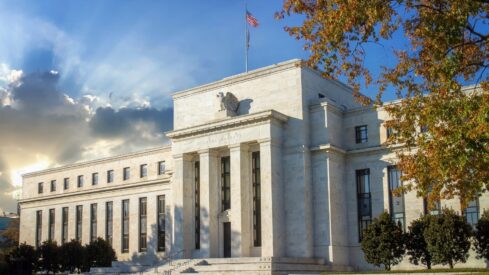
A flexible policy could provide relief to buyers and borrowers, but other indicators, such as persistent inflation, also weigh on consumer sentiment.
After 8 months without change, the Federal Reserve may cut interest rates in the United States during its next meeting, scheduled for 16-17 September. Analysts from J.P. Morgan, Barclays and Morgan Stanley, among other brokerages, anticipate a 25-basis-point cut in September, followed by further cuts in subsequent meetings.
These predictions come after the release of labor results in August and July. “The weakness in job growth is great enough that the FOMC [Federal Open Market Committee] can reasonably argue it needs to manage downside risks by cutting rates,” says Michael Feroli, Chief US Economist at J.P. Morgan.
But inflation tends to compromise the bank’s dual mandate of promoting both maximum employment and stable prices. The Consumer Price Index, released in September, rose 2.9% over 12 months, achieving the highest annual inflation since January, as pressured by the pass-through of tariffs on imports of certain goods.
“The combination of tariff-induced inflationary pressures on goods and relatively sticky service inflation are likely to result in policymakers remaining cautious about inflation risks,” financial services firm Nomura notes.
How the pet industry should prepare
The Fed’s moves have a broad impact on markets, including consumer sectors such as the pet industry. This is particularly evident through the decreased cost of credit for both companies and consumers, as well as changes in household behavior.
In this segment, product providers and retailers must respond to changes, but invest cautiously, Bryan Jaffe, Managing Director at Cascadia Capital, tells GlobalPETS.
“Businesses should plan for a brighter future but not take overly substantive investments absent clear commitments up and down the supply chain. However, if the market turns, they need to be ready to capitalize as the benefits will largely accrue to the swift relative to the followers,” he says.
But the interest rate cut alone is not enough to drive rapid changes. Companies should also pay attention to the persistent inflation, still above the Fed’s 2% target, and Personal Consumption Expenditures in pet-related categories, the analyst suggests.
How will consumers behave?
The third point of attention is whether (and how) a cut might affect weak consumer sentiment among Americans. The most recent survey from the University of Michigan showed a 6% decrease from July, with worse readings for durable goods and current personal finances, as consumers are concerned about high prices.
On the other hand, lower interest rates tend to benefit high-income households first and more enduringly, the analyst explains. “Affluent consumers have been supporting the US pet economy since COVID, and therefore, a rate cut would give this support more runway.”
However, to support the premiumization trend driving the industry now, the middle class and younger generations would also need to “feel better in the medium term to shift the trendline,” Jaffe states.
Pricing will be one of the biggest pressures on the pet industry until the end of the year, as retailers need to balance passing higher costs onto customers, remaining attractive and protecting their margins.
The online American retailer Chewy, for example, bet on a “higher mix of consumables and health” as well as “onshoring incremental discretionary inventory” to respond to it, according to CEO Sumit Singh.
Another major retailer in the country, Petco, also signaled that it is taking a more disciplined approach to pricing while monitoring the impact of tariffs and inflation on consumers’ willingness to spend.
Pet industry in the US
As in many countries, pet ownership in the US showed a peak during the pandemic, but has now stabilized at 63% of households that own pets.
According to a survey by Talker Research, the role of pets has also increased in importance as 84% of US dog owners view them as children, with many prioritizing their pets over personal expenses.
This led to a booming industry that saw its total sales of pet products reach $151.9 billion (€129.4B) in 2024, according to the American Pet Products Association (APPA). This represents an over 3% increase compared to 2023 ($147B/€125B).
Share this story: