UK pet food exporters set to benefit from new Gulf trade agreement
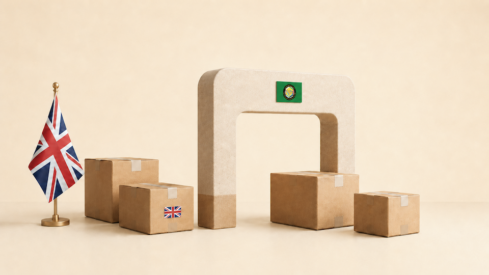
The new free trade deal aims to eliminate the GCC’s 5% import tariff on pet food and reduce trade barriers for British exporters across the bloc.
After 4 years of negotiation, the UK and the Gulf Cooperation Council (GCC) concluded a free trade agreement (FTA) that is expected to eliminate an estimated £580 million ($789M/€684M) in annual duties based on current UK exports to the bloc.
Once fully implemented, the agreement is expected to eliminate £360 million ($490M/€425M) in those duties on the first day, giving UK businesses improved market access through lower tariffs, guaranteed market access for service providers, and reduced trade barriers.
The GCC comprises Bahrain, Kuwait, Oman, Qatar, Saudi Arabia and the United Arab Emirates.
Benefits for the pet food industry
Agriculture is a key focus of the agreement, with the FTA expected to support UK agri-food exporters, including pet food manufacturers, across all regions of the country.
The UK Department for Business and Trade (DBT) tells GlobalPETS that pet food and animal feed will benefit from the immediate removal of the bloc’s 5% import tariff once the deal enters into force.
It also includes commitments aimed at reducing non-tariff barriers through enhanced regulatory cooperation, improved certification procedures and greater transparency.
Positive welcome
UK Pet Food, the trade association representing the pet food industry in Great Britain, believes that the agreement has the potential to create new opportunities for British pet food manufacturers.
“The commitment to remove tariffs on UK pet food exports is particularly positive and should help improve the competitiveness of UK products across GCC markets,” says CEO Michael Bellingham. “We also welcome measures designed to facilitate trade and improve market access for exporters.”
However, the DBT notes that UK exporters will still need to comply with the individual import certification requirements of each GCC member state, as separate sanitary and phytosanitary (SPS) regimes will remain in place.
The agreement also does not establish common standards for pet food ingredients or introduce a single halal certification system across the bloc. “Individual member states will continue to set their own rules, including restrictions on certain animal by-products,” the department says.
Animal welfare provisions
The FTA’s General Collaboration and Sustainable Development chapter includes commitments to strengthen cooperation on several shared priorities, including animal welfare. According to the UK government, this marks the first time the GCC has agreed to include animal welfare provisions in a trade agreement.
It recognizes animals as sentient beings and commits both parties to closer cooperation on the development and implementation of animal welfare standards.
According to the UK government’s policy paper, the deal does not alter the UK’s existing animal welfare regulations. Instead, it reaffirms each party’s right to maintain its own policies while establishing mechanisms to support future collaboration.
What’s next?
The DBT says it will work with businesses to help them take advantage of the agreement by explaining its practical implications and identifying new export opportunities.
The department also plans to work with trade associations, chambers of commerce and regional organizations to ensure companies – including pet food exporters – have the guidance and support needed to expand into GCC markets.
Market overview
The UK pet food market is valued at £4.3 billion ($5.85B/€5.07B), up approximately 5% year over year, according to new data from UK Pet Food.
In the GCC, the UAE alone is expected to see its dog food market reach $125 million (€109M) in 2026 at a CAGR of 9.4%, while its cat food market is forecast to grow at a 9.6% CAGR to $123.7 million (€108M), according to Euromonitor.
The UK government says the agreement will enter into force once the parties have completed their respective ratification processes.
Share this story:
One click prioritizes GlobalPETS in your search results and AI answers.