US pet industry faced a 29% tariff increase in 2025
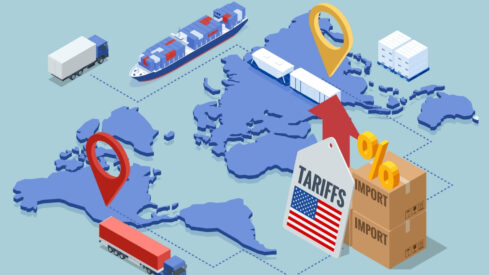
Industry association APPA warns that a 10%-20% increase in costs may become the new normal, intensifying pressure on small businesses.
Analysts worldwide note that the overall effect of US tariffs on the economy was not as large as expected in early 2025.
However, the pet industry in the US was affected more heavily. According to the American Pet Products Association (APPA), the category saw an increase of approximately 29% in tariffs over the past year.
For Patrick O’Brien, APPA’s Chief Marketing Officer, this puts “strong pressure” on small businesses.
“US-manufactured goods orders surged in September, suggesting that tariff policy is nudging more production and capital investment back into the United States,” he said during the association’s December Trade Talks.
Minimizing the impacts
O’Brien pointed out that several members with whom he spoke stated they are “scrambling to try to find sources from other countries to minimize impacts.” Among the diversifying efforts, associates cite shifting part of the production from China to third markets.
According to Rebecca Rizutti, owner of global trade services provider Progressive Trade and one of the participants in the event, different segments will respond in distinct ways.
For instance, plush toys, soft goods and certain pet accessories are cheaper to produce abroad even with higher import tariffs.
Manufacturing back to America?
Many pet players are resorting to US manufacturing, although not without some difficulty. Some companies listened to by the association reported that US factories told them they didn’t have labor to accommodate new orders.
For Craig Brightup, CEO of Brightup Group, a government relations consulting provider for businesses, the “One Big Beautiful Bill Act” can increase this insufficient capacity by allowing a 100% tax deduction for the costs of qualified production property in the country.
The bill, signed into law on 4 July 2025, includes a major tax incentive to boost US manufacturing.
However, the incentive applies to properties whose construction begins between January 2025 and January 2029, which does little to alleviate immediate pressures.
Professional development
The country also needs to invest in professional development and training to build a skilled workforce, says Brightup.
Rafe Morrissey, President of government relations consulting firm Morrissey Strategic Partners, states that it is unlikely that tariffs will be eliminated in the short term, adding that pet players need to “plan for a future with moderate costs” associated with it.
The new normal?
For APPA, a 10%-20% tariff increase is likely to be the “new normal.”
At the beginning of December, the giant retailer Costco sued the Trump administration in the Court of International Trade (CIT), seeking a refund of the reciprocal tariffs it paid on imported goods.
The move put other companies on alert about possible refunds. The association recommends its associates keep track of all their product entries subject to charging and request extensions to the duties liquidation.
Share this story: