Argentina pet market (I): Retail players look beyond economic turbulence
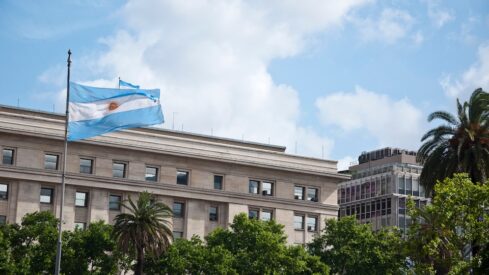
After years of severe inflation, the pet market is showing signs of recovery, with retailers benefiting from renewed demand and wider access to imports.
Argentina has been in the spotlight recently due to the macroeconomic changes it has faced in recent years. Inflation reached 211.4% in 2023 and 117.8% in 2024, putting considerable pressure on household purchasing power and consumer spending.
While inflation has since slowed substantially, price pressures remain high: the interannual inflation rate stood at 33.8% in July 2026, while consumer prices increased by a further 2.1% month-on-month, according to the country’s statistics agency INDEC.
For Sebastián Dates, General Manager of the Argentine Chamber of Animal Nutrition Companies (CAENA), this situation offers both pet companies and owners more stability and predictability.
In an interview with GlobalPETS, he notes that wages still have not fully recovered, directly affecting Argentinians’ purchasing power.
This bittersweet mix of “better, but not entirely good” also sets the tone for the pet market in the country. According to Pipa Nogaró, CEO of the pet retailer Puppis, the macroeconomic changes led to a better 2025 than 2024 in terms of sales performance, although difficulty persists on average.
It is believed that between 75% and 80% of Argentinian households own pets, which has also helped boost demand for pet food and products in the country. The national pet market generates more than $3.2 billion (€2.7B) annually, according to Kantar.
Imports and premiumization
CAENA reports a surge in pet shops, driven primarily by the country’s two largest chains: Puppis and Natural Life.
Puppis currently operates 42 stores in Argentina, with its network extending across Buenos Aires and other parts of the country, while Natural Life has built a nationwide network of sales points, with a strong presence in the capital and the surrounding province as well as locations in cities including Mar del Plata, Mendoza and Rosario.
Nogaró explains that Puppis has seen a strong recovery in in-store purchases, with nearly double-digit growth in same-store sales. Yet the chain only opened 2 new stores last year.
Its strong figures were also supported by Argentina’s partial opening to imports since 2024, according to Nogaró. The change came as President Javier Milei’s government moved to ease import restrictions and reduce trade barriers as part of its broader economic liberalization agenda.
The shift has been particularly relevant for accessories and toys, giving retailers greater access to imported products and a wider range of offerings.
Another positive factor was the growth of natural pet food, which increased its share of total volumes sold from 4% to 9% over the year. Wet food, another higher-value category, also recorded growth, according to the CEO.
Despite this progress, Nogaró believes Argentina still has significant room to develop. Puppis also operates 45 stores in Colombia, where natural food already accounts for 25% of sales. The Colombian market also has a greater penetration of frozen and wet food, highlighting the potential for further premiumization in Argentina.
Demand shifts to premium nutrition
Natural Life states that its consumers are also increasingly focusing on premium and targeted nutrition, particularly products linked to preventative health. “In our stores, we are considering sustainable growth for our highest value-added and functional product lines,” Gisela Patros, Head of Marketing and Digital, tells GlobalPETS.
The chain opened 3 new stores at the end of last year and plans a further 10 openings in 2026 as part of its sustained growth strategy, Patros says. “They respond to specific opportunities in strategic locations and to a demand that continues to support our value proposition,” she adds.
In terms of performance, Natural Life’s sales grew by single digits in inflation-adjusted terms in 2025. The company views this as “a positive sign that reflects a recovery in consumption and the strength of our offering, in a context that still presents challenges for the sector.”
Online is advancing, but slowly
Although e-commerce in the country was still a niche market 3 years ago, it has gained momentum, mainly with the expanded presence of the online marketplace Mercado Libre and the q-commerce platform PedidosYa, explains Sebastián Dates from CAENA.
Mercado Libre, Latin America’s leading online commerce ecosystem, operates its marketplace across 18 countries. In Argentina, its platform has a dedicated pet category covering a wide range of products, including food, treats, accessories, grooming and toys.
PedidosYa, meanwhile, has strengthened the delivery side of online pet retail by connecting local businesses with consumers through its platform.
For traditional offline retailers, however, online activity hasn’t taken off strongly, and growth has been lower than that of physical stores. “I know this not only for Puppis, but also by talking to other players in the sector,” Nogaró explains.
According to the Argentine Chamber of Electronic Commerce (CACE), online sales increased by 55% in value in 2025, reaching ARS 34 trillion ($22.5B/€19.4B), while 25.1 million Argentinians made online purchases. The number of units sold rose 28% to 645 million, highlighting how deeply e-commerce has become embedded in consumer behavior.
In the first half of 2026, e-commerce turnover in the South American country increased by 28% year-on-year. Orders rose by 21%, while units sold increased by 22%.
Share this story:
One click prioritizes GlobalPETS in your search results and AI answers.