Salmonella pet food contamination on the rise in the UK
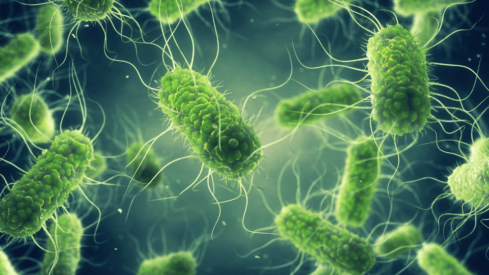
The Animal and Plant Health Agency identified 8.1% of bacteria contaminations, mostly in raw pet food, in 2021.
Salmonella Typhimurium and Salmonella Infantis were among the top four types isolated, according to a UK government report.
In 2021, the agency’s scientists isolated 295 instances of Salmonella from raw pet food available on the market. This is an increase of 8.1% compared to 2020 (273 isolations) and 20.4% higher than in 2019 (245 isolations).
“Contaminated raw meat pet food, which does not undergo any heat treatment to deactivate pathogens, may therefore represent a potential source of infection to both the dogs consuming it and people who handle it, especially if insufficient hygiene measures are adopted,” the agency said.
Case in the US
The US Food and Drug Administration released an alert for pet owners in August 2021 “not to feed their pets” with certain lots of Darwin’s Natural Pet Product raw cat food. According to the FDA, some samples manufactured in May, tested positive for Salmonella, causing cases of illness in three kittens.
Darwin’s Natural Pet Products stated that they believe the FDA’s alert was not necessary: “We believe the FDA’s request is wholly unnecessary; there are no pet health risks to address. We also believe the FDA’s request is based on flawed regulatory decision-making and have taken steps to make our position clear with the agency.”
Pet foods contaminated with Salmonella have public health importance because they can affect human and animal health, according to the FDA. Pets can get sick from Salmonella and may also be carriers of the bacteria and pass it on to their human companions without appearing ill.
Share this story:
One click prioritizes GlobalPETS in your search results and AI answers.