Argentina pet market (II): Manufacturers eye premiumization and regional exports
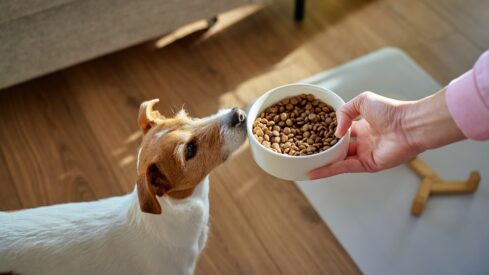
The shift toward higher-value nutrition is opening new opportunities for manufacturers as investments and export ambitions gather pace.
As Argentina’s economy gradually stabilizes, changes in consumer behavior are becoming increasingly visible in the pet nutrition market.
The category is seeing 2 parallel – and to some extent opposing – trends: growing demand for super-premium products alongside a shift among more price-conscious consumers toward the mid-range segment.
While Argentina remains heavily reliant on dry food compared with other markets, wet food and super-premium products are gaining ground. This is being supported by growing sales through veterinary clinics and pet shops, according to the Argentine Chamber of Animal Nutrition Companies (CAENA).
Read here our coverage on how retail players in Argentina are navigating economic turbulence and looking ahead.
Super-premium enters the spotlight
In the second half of 2025, Grupo Molino Chacabuco, which has operated in Argentina’s economy, mid-priced and premium pet food segments for more than 25 years, entered the super-premium category.
According to the company, the launch of Juvenia Nutrition represented a “strategic anticipation step,” allowing it to position itself in a segment where demand is increasingly gaining traction.
The products use specific ingredients, such as the natural antioxidant resveratrol and vitamin E, to reduce muscle, cognitive, and bone deterioration. They are also sold in recyclable packaging designed to meet functional and environmental requirements.
The group partnered with Laboratorio Microsules Argentina to apply the resveratrol formula to dry food in mid-2021, with the company acquiring brand ownership in September 2024.
Responding to changing demand
The group has also invested in and expanded its portfolio into the other segments, with new products in mid-priced and premium categories also incorporating functional ingredients, Millán says.
On the retail side, this shift is also driving changes in supply. Gisela Patros, Head of Marketing and Digital at Natural Life, says the pet specialty retailer is “strategically expanding the depth of our super-premium category.”
The strategy includes adding new brands and more specialized products tailored to breed, life stage and specific needs. The retailer is also increasing the presence of veterinary lines.
Easier access to global markets
Argentinian companies exporting goods are subject to export duties, known as derechos de exportación (export rights), which generally range from 3% to 4.5% of the product’s value. Although the government abolished export duties for industrial goods in May 2025, food products were excluded from the measure, meaning pet food exporters continue to face these charges.
GlobalPETS has learned that CAENA is in discussions with the government about removing export duties on pet food. The association’s General Manager, Sebastián Dates, expects the issue to progress soon, saying the industry has received a “good reception” from government representatives.
Challenges remain in accelerating global market access for Argentinian producers. Dates says the first obstacle is reaching sanitary agreements with third countries through SENASA (National Service for Agrifood Health and Quality), which negotiates these arrangements.
“The second challenge is trade agreements,” he explains. Argentina needs these agreements to secure preferential tariffs and improve the competitiveness of its exports in international markets.
Building capacity for regional growth
In November 2025, pet food manufacturer Alican opened a new warehouse, launched a functional product for cats and dogs and announced an investment of $60 million (€51.2M) over the next 5 to 10 years to increase capacity.
According to Founder and Director Darío Maida Re, initial investments aim to improve machinery for both dry and wet food, mainly because of the latter’s growth potential in the country. “In Argentina, wet pet food consumption in relation to the total is roughly 2%, while in Europe and the United States it can reach up to 30%,” he tells GlobalPETS.
“We currently have 1 plant, but we want to expand it significantly, precisely because expectations are high. After that, we plan to set up a whole research area that we don’t yet have, with dog kennels and catteries to conduct food trials,” Maida adds about its production plant in Córdoba, approximately 700 km from Buenos Aires.
Alican’s investments will also finance the launch of functional treats for cats and investments in the super-premium category, focusing on high-quality ingredients. The producer is betting on this category to expand across the region.
Biofarma made its first exports to Colombia and Ecuador last year. Despite the challenges and lengthy process involved in exporting from Argentina, the company is now focusing on expanding partnerships with distributors across Latin America and increasing its product supply in these markets.
Scaling up
Biofarma, a company specializing in animal nutrition and health, invested $10 million (€8.6M) to build a new 13,000-square-meter factory and double its production capacity to 17,000 tons per month. Its portfolio includes horses and birds, in addition to pigs and ruminants.
With technology and automation, the aim of investments is to “significantly strengthen precision in formulations, batch capacity and quality standards,” the manufacturer tells GlobalPETS.
The sporting and recreational animal segment, especially equines, is one of Biofarma’s main areas of development, after the company opened a dedicated equine feed plant and began developing textured food.
Argentina is a promising market, with space to increase production and grow revenues both locally and internationally. The investment environment is improving, although the stronger fiscal indicators have yet to translate fully into greater household purchasing power.
Share this story:
One click prioritizes GlobalPETS in your search results and AI answers.