Function over fun: interactive pet toys shift toward enrichment
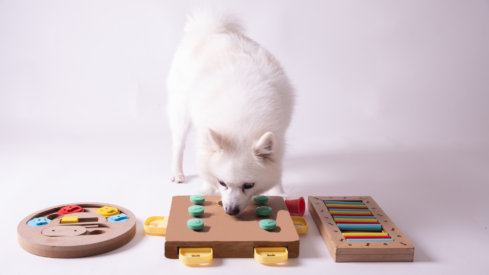
From treat-dispensing puzzles to smart toys, pet parents are looking beyond simple entertainment.
Pet enrichment is becoming increasingly important among dog owners. In addition to traditional toys, interactive toys are generating more interest among pet parents.
According to marketing research firm Grand View Research, the global interactive pet toys market is expected to be valued at $3.7 billion (€3.1B) by 2030, growing at a compound annual rate of 10.2%.
Steady growth
At Woof, a Colorado-based pet care company that specializes in dog enrichment and interactive play products, they are seeing steady growth in this type of toy.
“Pet parents are prioritizing mental stimulation and enrichment in addition to exercise, and technology is opening up new ways to keep pets engaged,” Michelle McKinney, VP of Marketing at Woof, tells GlobalPETS.
McKinney adds that the rising pet humanization trend is also driving investments in health, including products that support overall well-being.
“We’re also seeing the integration of pets into more aspects of everyday life. Dog-friendly offices and running errands with our pets call for toys that keep our pets busy while we’re busy,” she says.
Preferences and trends
Dean Hirschberg, Vice President of Marketing at Multipet, a global supplier of pet products, adds that the most popular interactive features today include treat-dispensing puzzles and slow feeders.
Motion-activated, scent-based and toys designed for unsupervised play made from durable and easy-to-clean materials are also popular.
Retailers are observing similar trends. Persis Elavia, Senior Director of Hard Goods at the American online pet retailer Chewy, notes that treat-dispensing toys and puzzle feeders remain pets’ favorite interactive toys, likely because they combine play with reward.
Durability
Beyond functionality, owners are increasingly prioritizing options that provide mental stimulation and help reduce anxiety. Durability – particularly for dogs – has also become a key consideration, as longer-lasting products help minimize repeat purchases.
Sustainability considerations are also becoming more prominent. “Interest in eco-friendly materials, minimal packaging and green credentials is growing, particularly when priced competitively,” Hirschberg notes.
Michelle McKinney from Woof adds that as consumers become more aware of their own plastic consumption, pet owners are also increasingly seeking “better-for-you products” for their pets, particularly in categories like chews, where petroleum-based materials have long been prevalent.
At Woof, customers are gravitating toward products that keep their dogs occupied, entertained and calm for long periods. “We also find that consumers are looking for products that serve dual purposes, like our Bite n’ Brush that cleans dogs’ teeth while they chew,” McKinney adds.
Cats vs. dogs
Multipet, which supplies pet products worldwide, notes that dog toys lead in overall volume, especially those involving treats or interaction between the dog and the owner.
However, cat options are growing faster, particularly in Europe. This trend is driven by the increased demand for solo-play and indoor enrichment options like laser pointers, wands and motion-based products.
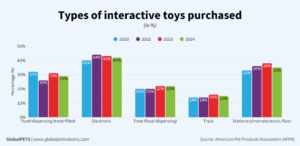
In the US, a similar trend is observed. According to data from the American Pet Products Association (APPA), 30% of dog owners purchased a food-dispensing toy in 2024, while 22% of cat owners did the same.
Among cat owners, stationary or non-electric food toys such as tunnels, play mats and ball tracks remain popular, with 35% purchasing these products in 2024. Another 15% also purchased a track toy for their cat.
Echoing this, Chewy reports that cats are especially drawn to tech toys with features such as motion sensors and automated movement that mimic prey.
Outlook
The global interactive pet toy market is expected to continue growing, driven by AI-powered personalization, smart home integration, multifunctional products and sustainability.
Emerging categories, such as puzzle toys with multiple difficulty levels and communication-focused toys, are also expected to shape the market moving forward, as interest in longer-lasting play and understanding what pets are thinking continues to rise among pet owners.
“We expect to see technology woven more into everyday play and adoption increase among pet parents. As the pet tech category grows, toys will become smarter and more capable of personalizing play to a pet’s individual needs and energy levels,” concludes Persis Elavia from Chewy.
Share this story:
One click prioritizes GlobalPETS in your search results and AI answers.