Spending habits

Pet brands and retailers tap into the Halloween spending spree
Pet costume spending in the US is projected to rise 7% in 2026, according to the National Retail Federation (NRF).

APAC: one region, multiple playbooks
Pet owners in Thailand, South Korea and Japan are adopting technology and services at very different rates, suggesting localized attitudes toward convenience, privacy and care routines.
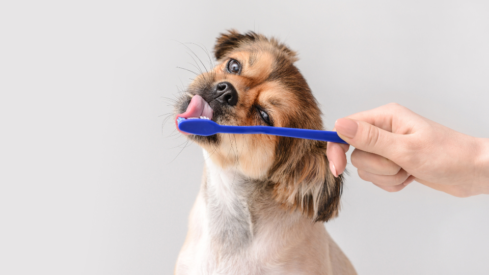
Amazon pulse: the pet dental care boom
Keeping a pet’s teeth healthy has not always been top of the list for owners. But new formats and greater awareness are changing all that.

Interview with founder and Chairman of Favor Pets
The Chinese pet retailer is using digital customer acquisition to drive traffic to physical stores, as services now account for much of its business.

China: Pets in a powerhouse economy
With the Chinese pet market showing healthy numbers, the government is investing in the sector as one that offers valuable growth opportunities.

Data: Cost pressures drive veterinary care delays across UK, US and Canada
Pet owners in the UK are delaying or skipping treatment, US households report heightened financial insecurity and Canadian research highlights a growing gap between veterinary training and practice.
Gen Z to Boomers: How each generation is reshaping pet spending habits
A survey in the US reveals that Gen X leads monthly purchases, Millennials prefer to shop for pet supplies weekly and Boomers prioritize premium spending.

Ecuador adds pet food to its household consumption basket
The South American country updated its basic goods and services list for the first time in four decades, expanding it from 75 to 98 items to reflect changing spending habits.

Data: US pet sales shift further online as digital channels drive growth
NielsenIQ forecasts pet care revenue to grow 6% in 2026, with gains driven entirely by e-commerce as physical-store sales decline.

Data: Are UK pet owners shifting toward quality over cost in purchasing decisions?
Half of UK consumers now prioritize quality over price, while convenience drives supermarket dominance in pet product purchases.